Tag Archives: diet

The power of community

Happiness is a state of mind, often based on those small joys of life that wield immense power to our sense of bliss.

Recently, I engaged in an exercise with course participants, probing into what fueled their energy reserves versus what drained them. Surprisingly, the resounding echoes leaned towards moments spent with loved ones, the companionship of pets, or the peace of mind found in nature as profound sources of rejuvenation.

Notably absent from their reflections was any mention of shopping or the accumulation of material possessions. Yet, society incessantly indoctrinates us that such acquisitions are the keys to happiness. The allure of novelty quickly dims, leaving behind a feeling of regret and shame from overspending.

Humans are tribal by nature

We humans are tribal by nature. Positive interaction with our fellow human beings where we feel seen, supported, and heard is key to perceiving a sense of safety and well-being. A supportive community has for eons been part of the survival mechanism of the human species.

In his research on the Five Blue Zones, Dan Buettner explored the lifestyles and diets in regions of the world where people lived the longest and were healthiest.

It is a fact that aging and death are part of life but living a healthy lifestyle can add decades to your life and happiness. Some key pillars of the research of the Five Blue Zones:

  • Physical Activity. People who live long lives do regular moderate exercise such as walking
  • All the Five Blue Zones came from strong communities with a healthy mixture of young and old people
  • They had a sense of purpose and joy
  • Their intake of calories and alcohol was minimal and most had Mediterranean or whole food plant-based diet.

Genetics play a relatively insignificant part of between 20-25 per cent when it comes to longevity.

With stress related physical and mental disorders becoming a growing threat to the very fabric of society, a supportive network of family, friends, or broader social circles, helps fortify your ability to weather life’s storms.

Belonging to a community fosters a sense of connection and belonging, which is fundamental to human well-being.

Healthy communities can serve as platforms for shared knowledge, emotional support and coping strategies. By exchanging insights and learning from one another’s experiences, individuals within a community can develop adaptive skills for managing stress more effectively.

The bonds of community are often strengthened by shared religious rituals, festivals, music and dancing.

In essence, community acts as both a shield and a sanctuary, offering protection from the onslaught of negativity from the external world while nurturing the resilience needed to bounce back after going through the loss of a loved one or any other challenge that life throws at you.

Reino Gevers – Author – Mentor – Speaker

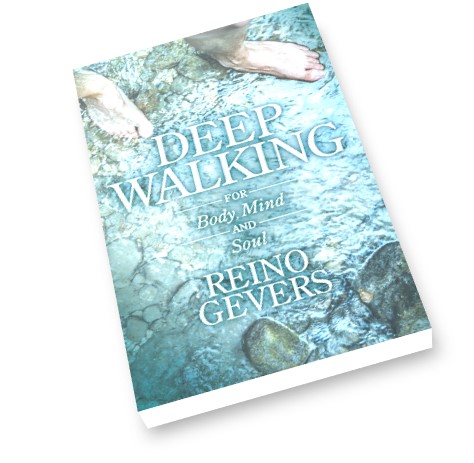
P.S. I’m excited to announce the release of my latest book, “The Turning of the Circle: Embracing Nature’s Wisdom for Purposeful Living.” If you enjoy it, you might also be interested in my previous works, “Deep Walking for Body, Mind and Soul” and “Walking on Edge: A Pilgrimage to Santiago.” You can find all of these titles at reputable bookstores near you.

1 Comment

Filed under Uncategorized

Toxic emotions and the food you eat

“Let food be thy medicine and medicine be thy food”Hippocrates

Study after study is revealing that mental health is closely connected to what foods we eat and that the standard western diet of processed junk foods could explain the rising prevalence of dysfunctional behavior and toxic emotions ventilated in the public narrative.

A series of nutritional experiments in both schools and prisons have shown that violent incidents, the number of suicides, and mental health were significantly improved by changing diets.

Inmates in prisons are generally offered highly processed foods with a low nutritional value. It lacks in particular Omega 3 fatty acids found in leafy vegetables and high-quality oils that are vital to brain health.

In five international studies conducted in prisons during the past 25 years, prisoners were given foods with higher nutrients including fatty acids and minerals. All the studies reported a 30 percent reduction in violence.

Ultra-processed foods make up about two-thirds of diets in school meals in the United Kingdom. Several studies suggest this could be responsible for the high number of ADHS symptoms in children. Hyperactivity, aggression, and irritability seem to go hand in hand in children eating foods with high gluten content. It is mostly found in bread, cereals, and crackers.

One study found that a correction of nutrient intake in schoolchildren, either through a well-balanced diet or low-dose vitamin-mineral supplementation, improved brain function and subsequently lowered institutional violence and antisocial behavior by almost half.

Is this not an issue that needs to be looked at more closely when investigating the prevalence of gun violence at schools in the United States?

Studies conducted in relatively closed environments such as schools and prisons should be a wake-up call for society in general. According to World Health Organization (WHO) figures nearly two billion people globally are overweight. Obesity is a disease of the metabolism and the body’s metabolism is directly affected by diet and exercise.

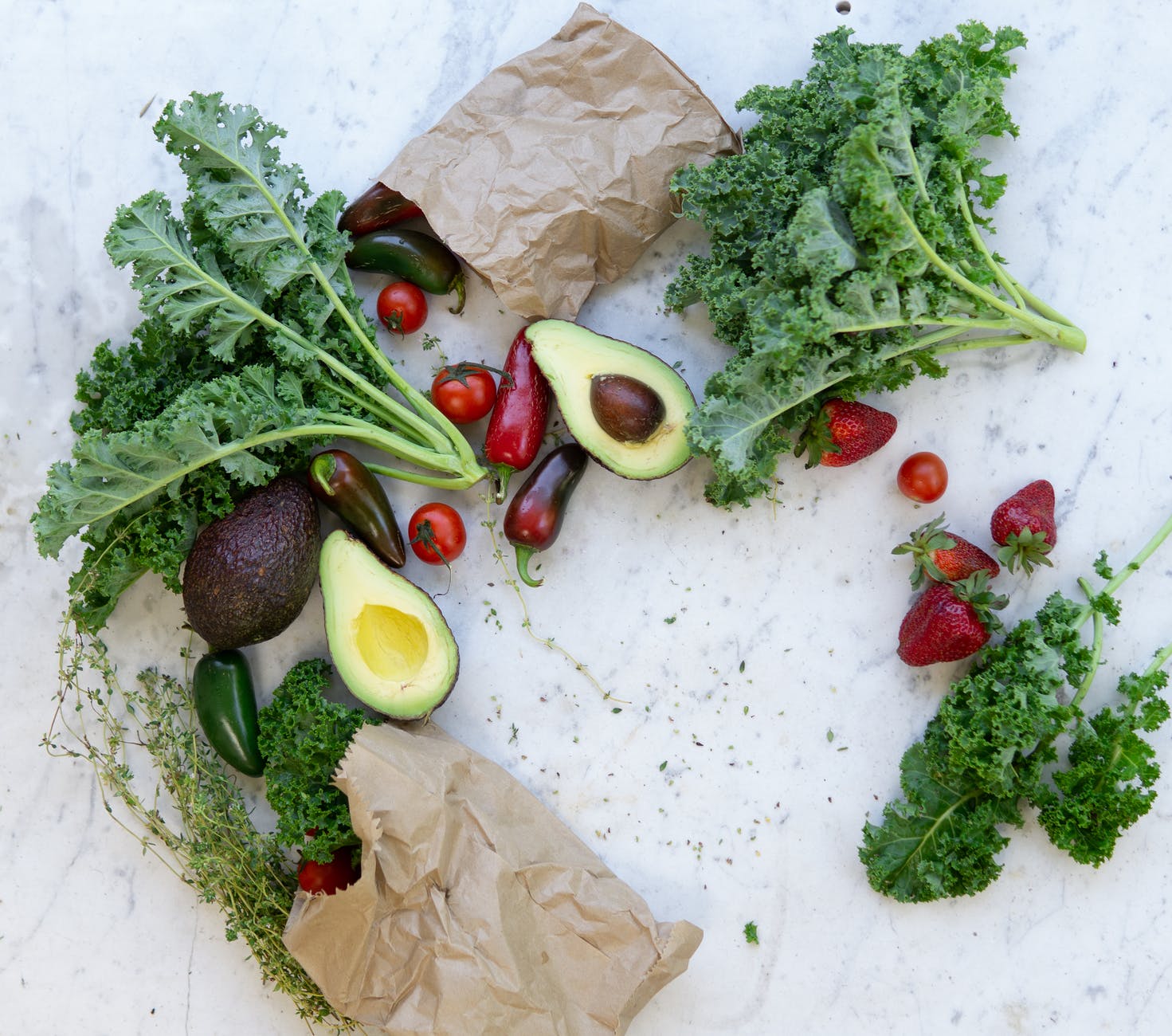
Photo by Elle Hughes on Pexels.com

There is no single magic pill to boost brain health. The foods that improve cognitive functions are the same foods that protect your heart and other vital organs:

  • Leafy greens such as kale, spinach, collards, and broccoli are rich in brain-healthy nutrients like vitamin K, lutein, folate, and beta carotene.
  • Fish, avocado, walnuts and high quality olive oils are rich in Omega 3 fatty acids.
  • Berries are some of the healthiest foods you can eat. Blueberries, strawberries and rasberries are loaded with antioxidents and fibrres that prevent inflammation in the brain.

We can conclude that a large portion of humanity is living a shadow of the life it could live. Minds are fed with a daily dosage of toxic information while bodies are fed with toxic foods that incrementally destroy the quality of life.

The compound effect of your daily habits, and the choices you make migh well determine whether you live long enough to see your grandchildren grow up.

Reino Gevers – Author – Mentor – Speaker

One more thing...If you have found this article interesting you might want to subscribe or recommend my FREE weekly Blog to friends and family. My books can be ordered at all places that sell good books in both paperback and kindle.

Leave a comment

Filed under mental health, mental-health