
With temperatures soaring well over 40 degrees Celcius here on the Mediterranean island of Mallorca, local authorities have imposed water restrictions and warned people to avoid heat stroke by staying indoors for most of the day.
As climate change warms the planet, heat waves are becoming more common and lasting longer. Vulnerable population groups, especially the elderly, are exposed to life-threatening temperatures. Nature is affected by drying soils and vegetation, posing higher fire risks, according to a recent study.
Climate change is shifting entire populations
Mallorca is Europe’s main holiday destination with tourism generating most of the island’s income. The problem is that the island’s limited water resources can no longer cope with an estimated 18 million visitors this year. In the long-term tourists will be choosing cooler places to go in the northern hemisphere such as Scandinavia.
For most of us these are only the beginnings of rapid climate change. We have not been forced to leave our homes, like the millions of people in Africa, the Middle East, and Latin America who are bearing the brunt of climate change. Repeated flash floods or extreme dry seasons have destroyed large swathes of agricultural land.
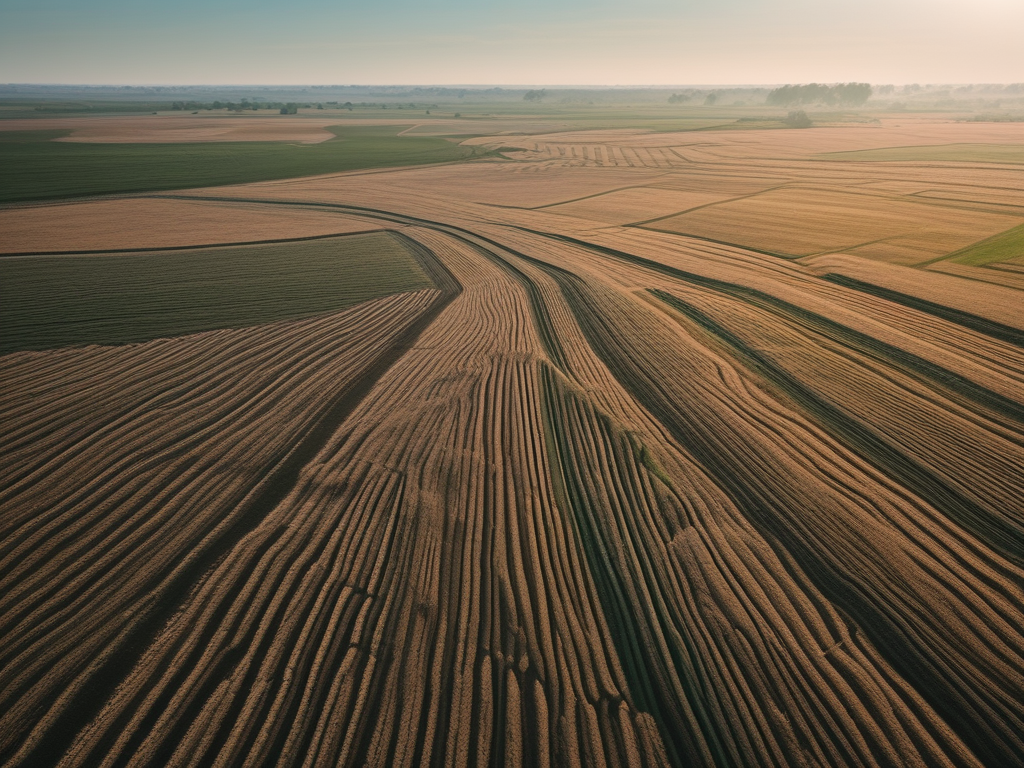
Partisan politicization of climate change has muddied the waters
The warning signs and news reports of extreme weather patterns are getting louder by the day. Unfortunately, the issue of climate change has become extremely politicized and prey to America’s culture wars. The climate scientists, who in most cases have studied this field for decades, are getting increasingly alarmed that sound scientific data is being ignored or lambasted as fake.
When I attended the summit of the Intergovernmental Panel on Climate Change (IPCC) in Bonn in 1999, scientists got only one thing wrong. The climate scenarios of extreme weather patterns they had predicted by the middle of this century are already a reality in the year 2024.
Based on the annual report from NOAA’s Global Monitoring Lab, global average atmospheric carbon dioxide was 419.3 parts per million (“ppm” for short) in 2023, setting a new record high. In 1999 the rate of ppm was 367 and some of those scientists I interviewed at the time warned that the tipping point of no return was around 420 ppm.
The human mind tends to go into denial when faced with problems that seem too complex, distant, or threatening to the status quo. Climate activists may have erred in choosing the term “global warming” instead of “climate change.”
Reframing the fossil fuel debate to emphasize pollution, such as clean air, clean rivers, and biodiversity, could be more persuasive. Additionally, reliance on fossil fuels finances some of the world’s most oppressive regimes.
Climate scientists have long warned that extreme weather patterns—including hurricanes, severe winters followed by scorching summers, and flash flooding—would become increasingly common.
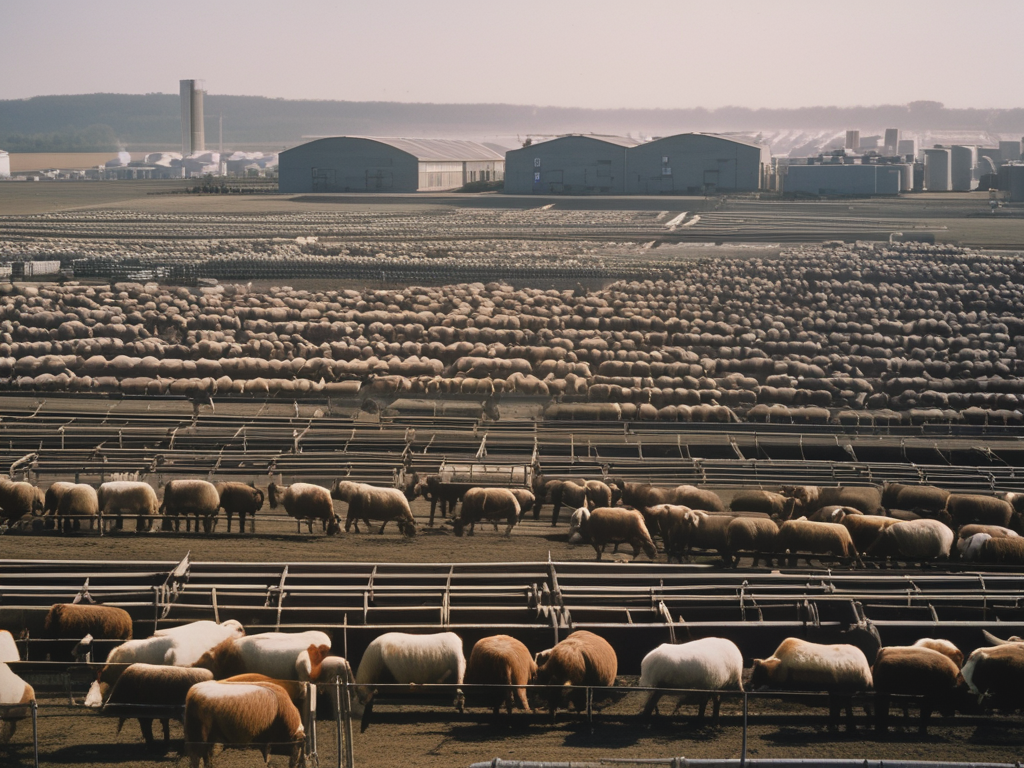
Mass animal production and climate change
Climate activists have not done their cause any favor by targeting the airline industry and blaming motorists for most of the carbon dioxide emissions. Somehow the animal food-producing industry has managed to dodge the fact that it impacts climate change to a far greater extent than the transportation industry.
Scientists were aware that the methane produced by grazing cattle – around two-thirds of livestock emissions come from cows – was a significant chunk of the anthropogenic greenhouse gases that were heating the planet’s atmosphere. However, there had been no attempt to quantify how large a chunk it might be.
The report estimated that livestock were responsible for 18% of global greenhouse gas emissions – including nine percent of anthropogenic CO2 emissions, mostly due to deforestation for (pasture and) feed crops, 37% of anthropogenic methane emissions, largely from cow burps, 65% of anthropogenic nitrous oxides, overwhelmingly from manure and 64% of anthropogenic ammonia emissions, according to a study by Henning Steinfeld, head of the UN Food and Agriculture Organization (FAO)’s livestock policy branch.
And then there is the issue of food waste. According to a WWF report about 6%-8% of all human-caused greenhouse gas emissions could be reduced if we stop wasting food. In the US alone, the production of lost or wasted food generates the equivalent of 32.6 million cars’ worth of greenhouse gas emissions.
There is still hope. Our species has survived for so many thousands of generations because we have the ability to adapt to changing circumstances. By making conscious choices on what you buy in the grocery store and what you eat, you will not only be turning things around on your own health but also that of the planet.
There are numerous health benefits by focusing on foods that are nutrient-dense, minimally processed, and sustainably produced:
- Opt for locally produced and seasonal products such as leafy greens, berries, carrots, tomatoes, apples, and citrus fruits.
- Production of lentils, chickpeas, black beans, and peas have lower greenhouse gas emissions and improve soil health through nitrogen fixation.
- Poultry generally has a lower carbon footprint than red meat. Choose organic and free-range options.
- Steer clear of seafoods that don’t have sustainable eco-labelling. Species like sardines, anchovies, and herring are lower on the food chain and reproduce quickly, making them more sustainable options.
Processed foods often have added sugars, additives, unhealthy fats, and preservatives. Their production is resource-intensive, resulting in high transportation costs and greenhouse gas emissions. By better planning your meals, storing food properly, and using leftovers you can minimize waste.
Starting with these small changes, you can contribute to a more livable planet while enjoying a healthier life with more energy, better sleep, and mental resilience.
Reino Gevers – Author – Mentor – Speaker
P.S. If you enjoyed this article you might be interested in my books available where all good books are sold.


 ReinosBlog