
Humans thrive on social connections, as evidenced by research from the American Medical Association (AMA), which underscores the profound impact that a healthy community has on both physical and mental well-being.
Loneliness and isolation have reached epidemic levels in most Western countries, emerging as significant public health issues. Highlighting the severity of this problem, a U.S. Surgeon General advisory equates social connection with fundamental necessities like food and water in terms of its importance for long-term survival.
“We all need our time away for rejuvenation and reflection,” says Dr. Frank Clark, an associate clinical professor at the University of South Carolina School of Medicine-Greenville, “but social isolation is a form of solitude that is unhealthy and can occur due to multitude of reasons.”
Causes of social isolation could be the loss of friends or a partner due to death, divorce, or separation. An illness could make social connections difficult to maintain, but other factors such as a caregiver’s responsibility, a traumatic event, or life changes such as the loss of a job or retirement could all play a role.
Researchers who examined longevity in the Five Blue zones that included Sardinia, Italy; the Greek island of Ikaria; Loma Linda, California; Nicoya Peninsula, Costa Rica and Okinawa, Japan, found that social interconnectedness played a key role in a healthy lifestyle. It can literally add decades to your life.
Social connections slow cognitive decline
Keeping up social connections as people get older helps to maintain thinking skills and slow cognitive decline. “It’s not uncommon for our social networks to shrink as we get older,” says Marilyn Albert, chairwoman of the Global Council on Brain Health.
Maintaining social bonds and having a sense of purpose have been identified by researchers in the Blue Zones Project as a critical element for longevity.
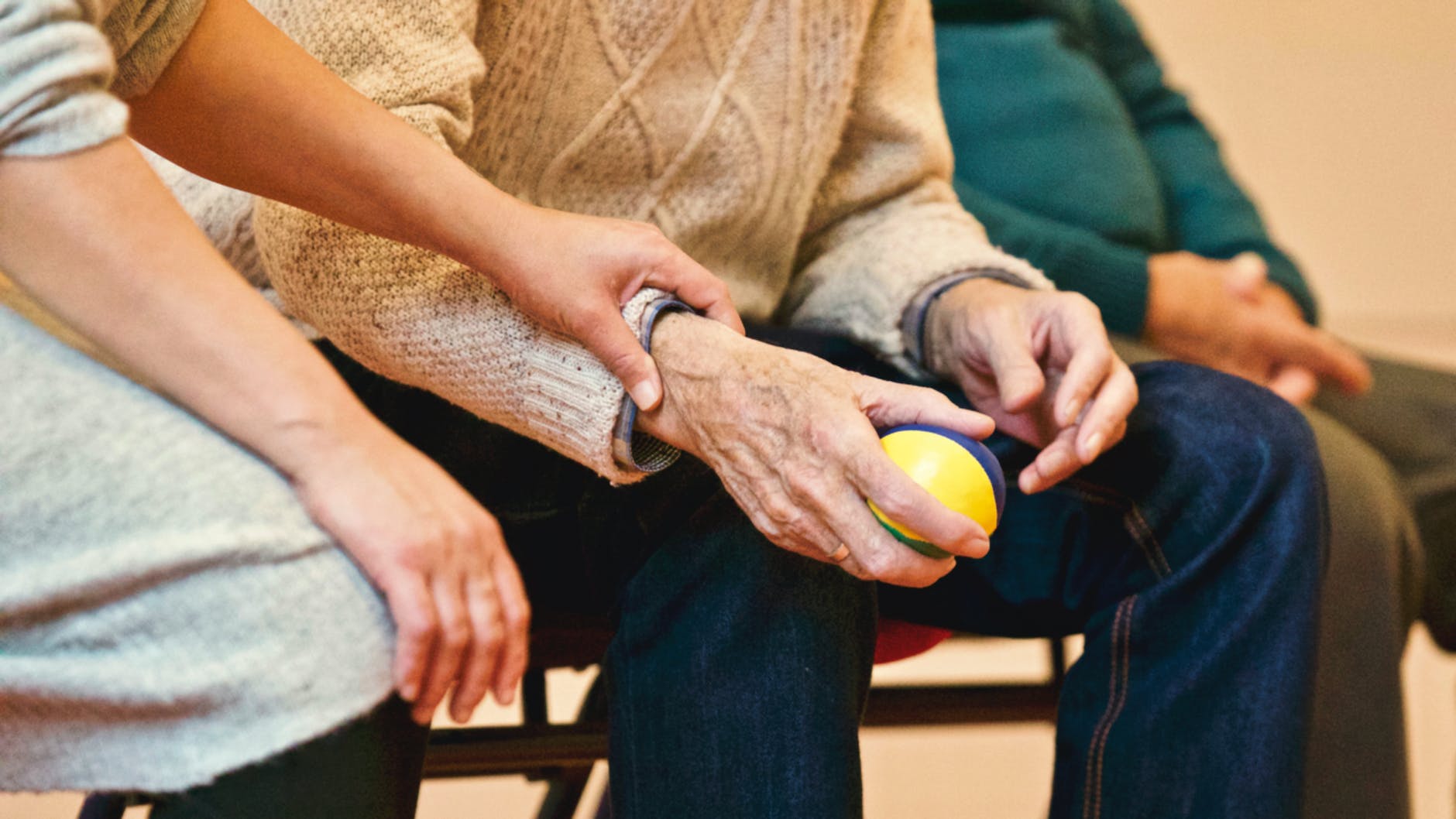
Here are some common practices observed in Blue Zones that help strengthen social ties:
- Strong family bonds: Families tend to stay close-knit across generations. Elders are respected and often live with or near their extended family members. Regular family gatherings and celebrations are common, fostering a sense of belonging and support.
- Active social lives: People in Blue Zones often engage in regular social activities with friends and neighbors. This can include communal meals, gatherings, festivals, and religious or cultural events.
- Collaborative work and projects: Communities in Blue Zones often come together to work on shared projects or goals. Whether it’s farming cooperatives, community gardens, or other collaborative efforts.
- Cultural traditions: Many Blue Zones have strong cultural traditions that emphasize social connections. This can include practices like storytelling, music, dance, and rituals that bring people together and reinforce community ties.
- Support networks: Blue Zones tend to have strong support networks built on reciprocity and mutual assistance. People help each other in times of need, whether it’s through informal networks of friends and neighbors or more formal community organizations.
While rural settings often have characteristics conducive to strong community ties, the lifestyle factors observed in Blue Zone were not exclusively rural. The key lies in the cultural and social practices that promote longevity and well-being, regardless of whether they’re found in rural or urban environments.
Reconnecting with others after a period of social isolation can be challenging but is certainly possible. Start by reaching out to a close friend or family member for example with a simple text or phone call to catch up.
- Consider joining groups, a religious community, or clubs that align with your interests or hobbies. This could be a book club, hiking group, cooking class, or volunteer organization.
- Keep an eye out for local community events such as festivals, workshops, or meetups. These events offer opportunities to meet new people and engage with your community.
- If you’re struggling with specific challenges such as mental health issues, addiction, or grief, consider attending support groups where you can connect with others who are going through similar experiences.
- When interacting with others, practice active listening by showing genuine interest in what they have to say. Ask questions, offer support, and show empathy to deepen connections.
Cultivating a sincere interest in others not only enriches your relationships but also enhances your own appeal and magnetism. Developing and honing your social skills is essential for experiencing a fulfilling and rewarding life.
Reino Gevers – Author – Mentor – Speaker
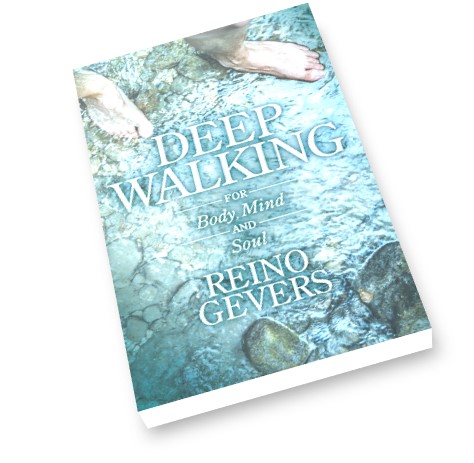
P.S. I recently had a great chat on the fitforjoy podcast with Valeria Koopman on Living a Beautiful Life. If you found this Blog an interesting read you might also enjoy my latest book, “The Turning of the Circle: Embracing Nature’s Wisdom for Purposeful Living.” My previous titles, “Deep Walking for Body, Mind and Soul” and “Walking on Edge: A Pilgrimage to Santiago,” can also be ordered from all reputable bookstores near you.



 ReinosBlog