These days, the scarcity impeding firms’ growth is not of capital — it’s of talent.
Category Archives: Uncategorized
You Can’t Be a Great Manager If You’re Not a Good Coach
Leadership is about understanding what it is that “drives” people giving them the feeling that they are connected and involved in a meaningful way.
Filed under Uncategorized
The “scoundrel” that prevents you from getting more from life
To a large extent it is not a matter of fate or genetics on how healthy or happy we are in life. The amount of exercise we give to our bodies and quality of food we eat will most certainly determine what life you will lead in the next five years and how resilient your body will be to the modern scourges such as obesity, cancer, depression and diabetes.
We know what it takes to make us live a healthier life. We make a new year resolution to start a regular work out or to practise a daily meditation. Sadly, in most cases these resolutions don’t last long.
Daily distractions have an enormous pulling power. But there is another major factor. The inner state of mind – the psychological and emotional factors – that you are not aware of at a conscious level but could be the major stumbling block.
It is important to be aware of these “inner scoundrels” that have many voices that sound much like this:
- I don’t deserve to be living a healthy life of abundance and love”
- Life is a hard slog anyway, just bear with it”
- Jesus suffered on the cross, so why can’t I suffer too.”
- I will no longer be getting the attention, understanding and compassion from others when I’m healthy.”
- If I come into my power and strength, I will be rocking the boat. Things could change and that is really frightening.”
- Everything is better just as it is rather than a future that could be much worse.”
- It is better to keep myself small so that I won’t be bashed.”
- I will lose my creativity.”
We are “animals of convenience” and old habits die hard. The first step to accommodate the “inner scoundrel” is to give him a voice and bring him to the surface. What does he look like? What needs does he have? Fighting or suppressing him will only make him grow bigger. Bring your scoundrel to the surface by listing all your bad habits that deplete your energies e.g. hours of wasted time in front of the TV, the amount of sweet drinks, coffee, cup cakes and sweets you eat without much thought during the day, gossiping about others or spending time with “negative” people.
By bringing all those “scoundrels” to the surface you become more aware of those bad habits. Tell them. I am seeing you and am aware of you but I now need to move on. You served me for a while but you have now fulfilled your purpose. It is time to move on so that I can really fulfil my need to live a wonderful life where I can feel my true strength and power. Replace the scoundrel with a personal mantra that could sound like this:

- My body is the temple of my soul and deserves utmost respect and care
- I feel the energy and power in body and soul
- I deserve in every respect a life of abundance, happiness and inner strength
- I am here in this life for a purpose and that purpose is to grow into a mountain
- The more I respect my body and myself the more I will take care of Mother Earth and all those living beings in my immediate surroundings
Filed under Uncategorized
Reconnecting with nature
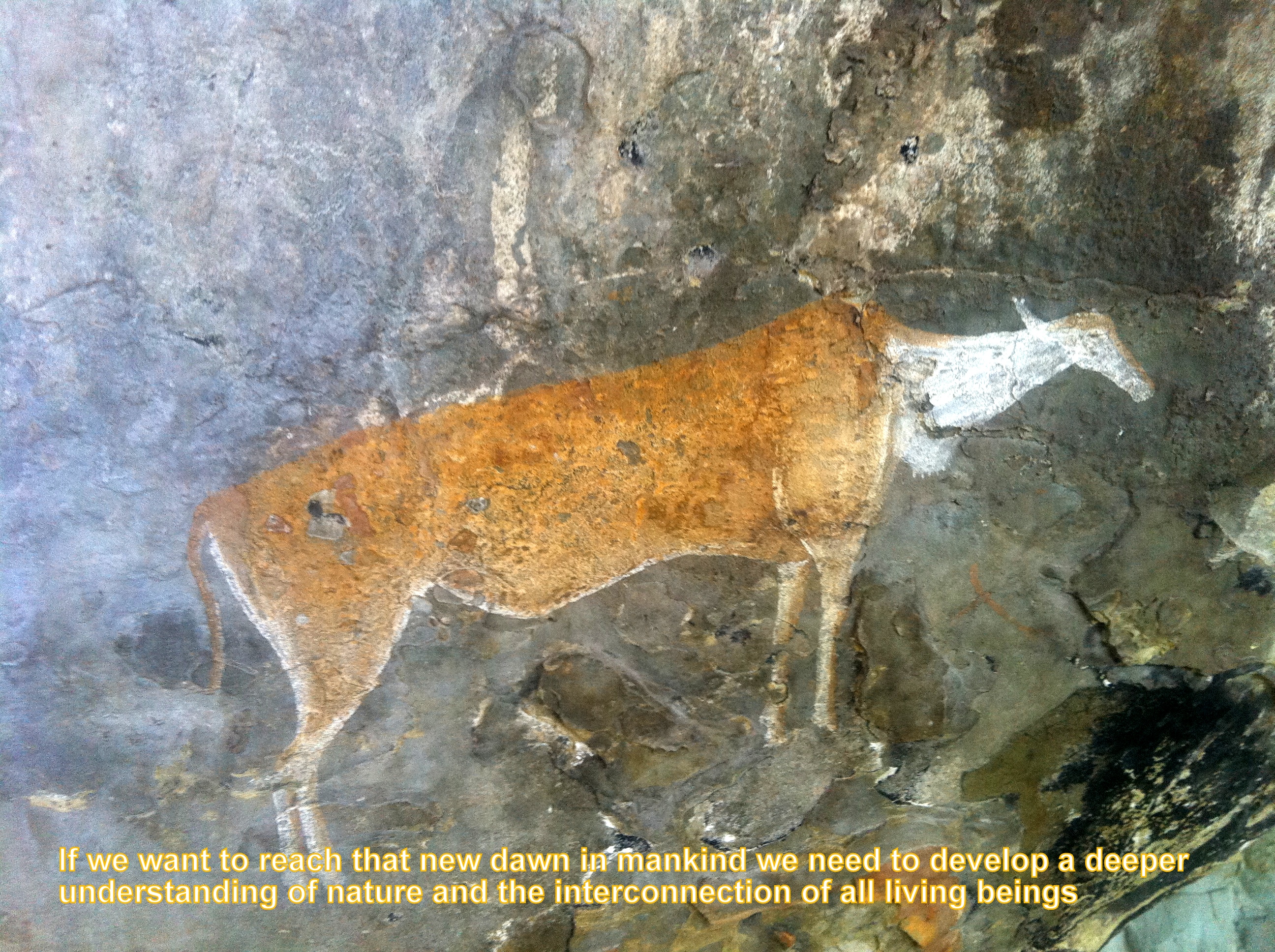
The great teachers through history
traverse a varied landscape
of culture and tradition –
but nearly all have passed through
and been strengthened by
alone time in nature . . .
Filed under Uncategorized
Your best weapons against stress – good food and exercise
You must have seen this picture which I find symbolic in so many ways. Have we created a world that no longer fits into our physical and emotional make-up that has evolved over tens of thousands of years?

Our ancestors in the hunter and gatherer societies lived in small communities with physical fitness as one of the preconditions of survival. In our modern world we are basically confined to a chair in the office which wreaks havoc to our bodies.
Lack of exercise accompanied by a poor diet has led to a phenomenon we find in almost all the industrial countries. In the early part of the last century infectious diseases were the main cause of death. We have made huge progress in this field through better hygiene and medicine which has rapidly increased life expectation but we need to take a closer look at the quality of our longer life.
A large proportion of us have more or less accepted a condition of being neither healthy nor sick. In many countries every second person over the age of 80 is in frail care.
Illnesses that have hardly been known to mankind such as obesity, diabetes II, cancer and burnout are skyrocketing. According to a World Health Organisation (WHO) report we paradoxically have a situation where malnutrition is co-existing with “an escalating global epidemic” of obesity with millions likely to suffer from an array of serious health disorders.
We have not even begun understanding the psychological side-effects of lack of exercise, poor diet and mental illness such as depression. The Canadian molecular biologist Richard Béliveau estimates that one third of all cancer is linked to poor eating habits. A diet consisting of a mix of fruits, vegetables and drinks, such as green tea, can lead to the absorption of up to 1-2g of anticancer phytochemicals per day. “We, therefore, believe that daily consumption of these different foods is a simple and effective method to counter the development and progression of cancer,” he writes.
Beliveau also found that much of the populations in industrial societies lack essential Omega 3 fatty acids with a high percentage of Omega 6 (eating too many industrially produced carbohydrates).
Interestingly patients suffering from chronic exhaustion (Burnout) or depression all reveal extremely low levels of Omega 3. Study after study is revealing that a diet rich in Omega 3 (e.g. fish, avocado,chia seeds) is having amazing success in the treatment of mental illness.
Our capacity to deal the modern stress factors is immensely increased in looking at our diet and getting more exercise. But going for the hard power sports might do you more harm than good. If you have a stressful life you will add to the stress hormones in your body by taxing your body with a sport that puts you to the limit. Its all about finding the right combination of body movement that fits your age group and your level of fitness.
The WHO recommends for adults aged between 18-64 at least 150 minutes of moderate to vigorous intensity of activity per week. This you can spread during the week in 10-15 minutes sequences. Most people will say they don’t have the time. But take this: In the United States the average time spent in front of the TV per person per day is 4.8 hours!
Filed under Uncategorized
A future without cars?
We just spent a couple of days on the southern North Sea island of Juist which was a bit like travelling back in time when the main means of transportation was by bike or horse-drawn carriage.
All that could wake you in the morning is the sound of seagulls or the passing of the odd horse and carriage on the cobblestone streets. Children are on the streets playing ball or driving go-carts.
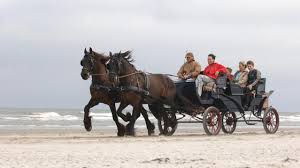

The German island is just 17 kilometres long and half a kilometre wide. The only cars allowed are from the fire and rescue services. So it is quite an anomaly in a country known for its love affair with the motor car and virtually no speed limits on the autobahn.


The only other place I know that does completely without the car is Venice where there are no roads linking the network of islands. But Juist provides for even more solitude because you don’t hear the sounds of motor boats. I do enjoy motor cars and have a faible for the open-top classics of the 1950s and 1960s but it is time to rethink the role of transportation, especially in big cities where the quality of life has been ruined by congestion and smog.
The northern German port city of Hamburg has laid out plans to eliminate cars completely in the inner city during the next two decades, by creating a green network improving public transportation and the bicycle path network.
Several other big cities are rethinking the role of the motor car. London introduced a controversial congestion charge for vehicles driving into the city centre. New York has debated similar plans.
While in the 1970s the car was still the most efficient mode of transport, this has changed with traffic in most urban centres going at a stop-and-go pace. In many modern cities we are indeed today no faster than a horse-drawn carriage in the 19th century. We waste hours of our precious life-time in traffic jams.
Growing traffic density and the move from rural to urban areas in many developing countries is demanding a major rethink to our mode of transportation and maybe a future without cars. We need to reoccupy our cities and make them more human again with green belts of parks and trees and a network of paths reserved for the bicycle or small electric vehicle.
Filed under Uncategorized
Long term effects of stress on the cellular level

In my previous blog I wrote about typical symptoms of psychological stress such as a stiff neck and shoulders. These are in most cases the first signals the body is sending “of a load too much to carry.”
Long-term effects of stress are far more serious. High blood pressure over many years often leads to a stroke, a heart attack or other serious health problems.
When the body is under constant stress it is more or less in a state of war with havoc caused on many levels. Muscles and blood vessels tighten up and begin to tear. Tendons are damaged.
Every cell is working overtime in trying to get the necessary nutrients. The body already has to deal with all the toxins found in processed food, chemicals, water and the atmosphere. In stress situations, cellular malfunction becomes more frequent. With the cells unable to do their job properly this…
View original post 497 more words
Filed under Uncategorized
Long term effects of stress on the cellular level
In my previous blog I wrote about typical symptoms of psychological stress such as a stiff neck and shoulders. These are in most cases the first signals the body is sending “of a load too much to carry.”
Long-term effects of stress are far more serious. High blood pressure over many years often leads to a stroke, a heart attack or other serious health problems.
When the body is under constant stress it is more or less in a state of war with havoc caused on many levels. Muscles and blood vessels tighten up and begin to tear. Tendons are damaged.
Every cell is working overtime in trying to get the necessary nutrients. The body already has to deal with all the toxins found in processed food, chemicals, water and the atmosphere. In stress situations, cellular malfunction becomes more frequent. With the cells unable to do their job properly this eventually leads to organ malfunction.
But there are many warning signs that something must be wrong such as chronic fatigue, neurological disorders, gastric problems, or acute infections, pain in the joints. The cells are literally screaming out for help that a certain organ or system is heading for a major problem.
During such a “state of war” the only protection is giving the cells enough of the vital nutrients to deal with the constant assault. It has been found that chronic fatigue or “burnout” patients often have an acute deficit of essential nutrients such as Omega 3 fatty acids which keeps the stress hormones such as cortisol and adrenaline under control. While the body has an abundance of carbohydrates and fats there is an acute lack of magnesium, calcium and other essential nutrients.

So removing the toxins from the cells with the right nutrients and providing them with the right source of energy is the way to go. It is estimated that 70 per cent if not more of our health is attributed to lifestyle habits with only a small portion affected by genes, injuries or other factors.
There is compelling evidence that the chronic shortage of Omega 3 fatty acids in most foods is responsible for many psychological disorders such as depression and Attention Deficity Syndrome (ADS).
Eating the right superfoods will do a lot to reduce stress and anxiety and help provide the essential nutrients to the cells. Here are some:

- Avocados are rich in Vitamin B and monunsaturated fat and potassium which can help lower blood pressure.
- Fish such as salmon is rich in Omega 3
- Fresh spinach, broccoli, kale and other rich greens are packed with vital magnesium and other vitamins.
- Sweet potatoes are a good alternative to carbohydrates and the urge to eat sugars when we have too much cortisol in our bodies.
- Almonds, pistachios and walnuts have all those B and E vitamins which help boost the immune system and help lower blood pressure.
- And, here is the absolute top of the pops – chia seed. According to legend it was already a powerfood for the Aztecs. It has a multitude of nutrients. It is packed with Omega 3. A little chia in your juice or salad will provide your daily intake of calcium which is essential for bone and teeth density. It will provide at least 30 per cent of the manganese and phosphorus you need for the day. The amino acid tryptophan helps regulate the appetite and has a strong mood influence. Chia seeds have also been shown to improve blood pressure for diabetics.
- Reducing carbohydrates in your food and doing away with industrial sugars and salts will do a lot to overcome the high-and-low energy cycles.
Remember the state of your health now is the result of the life you have been leading the past five years. Nothing is as rewarding as feeling physically and emotionally in top form which also immensely improves your coping-strategy in stress situations.
Filed under Uncategorized
Muscle tension and stress
Psychological stress and tension affects us on many levels. A stiff neck and shoulders or back pain are typical symptoms.

When we face stress the body is flooded by stress hormones such as adrenalin, noradrenaline and cortisol. These cause the muscles to tighten up. In extreme cases the muscle fibres pressure the blood vessels causing circulatory disorder that can trigger inflammation.
A good circulation is particularly important to flush acidic waste or other products from cell tissue. Lack of nutrients and too much acidity typically cause fatigue and pain.
We might feel a stinging pain, sensitivity to pressure and limitation to body movements. Tense muscles or pain causes further tensing-up which puts us into a vicious cycle of stress and pain.
With most people doing office jobs we are top-heavy, meaning there is a lot of pressure and tension in the upper part of the body with the lower abdomen and the feet “losing their grounding”.
Muscle tension is not to be underestimated. A painful back and shoulders are often the first signs that “we are carrying too much”. It is amazing how many people just bear with it and become used to this pain. But the longer we wait in dealing with our stress management, the worse it will get. The quality of life suffers enormously on the long run.
Focusing our mind on slow, deep gentle breathing will help you relax, especially if you breathe out into the region of muscle tension. Take time out for yourself and find a spot where you can be at peace.
In the Taiji body arts we spend a lot of time aligning the three energy centres:
-
The lower Dan Tien below the navel that encompasses the area of the lower back and kidneys. Here we work on loosening the thighs so that energy can flow from the feet and legs.
-
The second Dan Tien from the breastbone to the lower end of the shoulder blades. Opening the chest and relaxing the shoulders
-
The third Dan Tien or “third eye” between the eyebrows. Lowering the chin towards your chest and aligning the centre of your head to a point about 60 cm above you so that your neck muscles are slightly stretched.
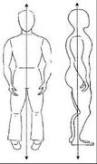
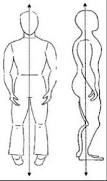
With an improved posture and good vertical alignment of the body your breathing will automatically improve and help you relax, even during times of stress. This takes time and patience, especially if you decide to learn the body arts such as yoga, taiji or qi gong. But the reward is immense. It makes you become more aware of your real needs on many levels and certainly improve your quality of life – pain free.
Filed under Uncategorized
The Best Leaders Are Humble Leaders
Employees who perceive altruistic behavior from their managers are not only more innovative, but there are many more positive effects.
Filed under Uncategorized


 ReinosBlog