Tag Archives: walking

AI and social media: A generational challenge

Every era faces different challenges, defined by the changing landscapes of society, technology, and geopolitical events, and we have not even begun to understand the current impact of social media and Artificial Intelligence (AI) on mental health and social cohesion.

It was telling that in the U.S. presidential debate, both candidates not only made a devastatingly poor impression but that one of the biggest challenges of our time such as the impact of social media and AI on every facet of our lives was not even mentioned.

The pervasive effect of social media on mental health

Studies have shown an alarming increase in suicide rates, especially among teenage girls in recent years coinciding with the widespread adoption of social media platforms like Instagram, Snapchat, and TikTok. Girls are at greater risk of cyberbullying, facilitating bullying behavior that can be relentless and pervasive. Unrealistic beauty standards are perpetuated, leading to body dissatisfaction and low self-esteem.

Among teenage boys, the dangers of addiction to online gaming and porn are leading to growing isolation and a breakdown in social skills.

AI is changing our world

We are just at the cusp of rapid technological changes triggered by AI with positive as well as negative effects. The technology is already proving to be most effective in medicine. At the Institute of Cancer Research, for example, researchers have developed a unique canSAR database that can combine patients’ clinical and genetic data with independent chemistry, biology, patient, and disease information. It i likely to revolutionize transportation with self-driving cars, buses, and drones.

But many jobs, especially those involving routine and repetitive tasks, are at risk of being automated. Sectors such as manufacturing, logistics, and retail are particularly vulnerable to automation, potentially leading to significant job losses. The rapid pace of AI development requires workers to continuously update their skills, which can be challenging for many.

The rapid technological changes we are seeing inevitably lead to a growing gap between the cultural and mental capacities of societies to adapt to these changes and the legal frameworks to prevent the abuse of such technology. It creates fear and anxiety among those individuals who have particular difficulty in adapting to changes.

The use of AI and other new technologies have to be designed in ways that respect human rights, privacy, and autonomy, and do not dehumanize users. Human capabilities need to be augmented rather than replacing the human touch in critical areas like customer service, healthcare, and creative fields.

A holistic approach needs to be made recognizing and valuing the unique identity, experiences, and needs of each person rather than treating them as anonymous entities. Every individual has different
emotional, psychological, and social needs.

With all our senses becoming over-stimulated by technology and threatening our mental and physical well-being it becomes all the more essential to reconnect with nature and our primal roots and senses.

Taking time out for a deep walk in nature is becoming a crucial pillar of survival in the digital world. Here are just some ways how we can rehumanize our senses:

Immersing in the green and blue spaces

Immersing yourself in the blue and green spaces of natural landscapes such as forests, mountains, oceans, and streams plays a major part in reducing freeze, flight and fight stress hormones such as cortisol. Auditory engagement with natural sounds such as the rustling of leaves, flowing water and birdsong contrast with the constant noise of an urban environment, providing a peaceful respite to help clear the mind.

Sensory Stimulation

The clean, fresh air of natural environments, free from pollutants and artificial smells, invigorates and refreshes your senses with the diverse scents from natural herbs, flowers and trees. They can positively evoke memories and emotions. Feeling and touching natural elements such as a tree, rock, sand or water provides direct physical connection with the natural world and the present moment.

Deep walking

Walking in nature is one of the most beneficial and underestimated ways of boosting your immune system, and preventing cardiovascular and metabolic disease. At the same time, exposure to sunlight helps your body produce vitamin D which is essential for bone health and overall mental well-being. Walking less than 5,000 steps per day is generally considered to be a sedentary lifestyle. Anything between 8,000 and 10,000 steps a day will significantly improve your health.

Reino Gevers – Author – Mentor – Speaker

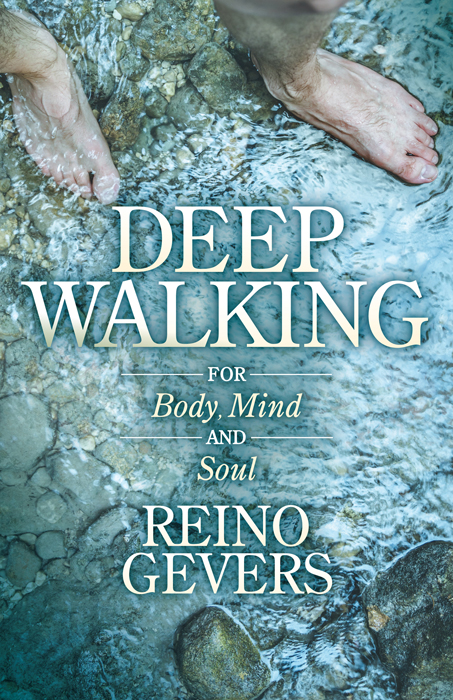
P.S. I’m excited to announce the release of my latest book, “The Turning of the Circle: Embracing Nature’s Wisdom for Purposeful Living.” If you enjoy it, you might also be interested in my previous works, “Deep Walking for Body, Mind and Soul” and “Walking on Edge: A Pilgrimage to Santiago.” You can find all of these titles at reputable bookstores near you.

Leave a comment

Filed under mental health, mental-health

Walking like a pilgrim

Ancient cultures and religions for thousands of years worshipped nature as an expression of the divine. With technological progress has come a disconnect with mankind primarily seeing the external world as a means of exploitation and subjugation.

In order to survive as a species we need to reconnect to nature and our spiritual purpose. One of the most underestimated and effective means of realigning body, mind and soul is by taking a walk.

You could either see a walk as a daily physical activity to stay fit or alternatively go for a deep walk with a higher intention. Or, you could go on a meditative pilgrimage walk lasting several weeks with deep spiritual significance.

A hike is generally goal orientated. You are aiming to reach a certain destination, walk a number of steps a day or just carry out a recreational activity.

Over the years on my pilgrimage walks on the Camino de Santiago in northwestern Spain it is interesting to observe people starting the 500-mile (800-kilometer) walk as hikers purely as a physical endeavor or adventure and then transitioning into pilgrims.

There is a deep mystery about these ancient pilgrimage paths and walking in the footsteps of people who have walked these paths for hundreds of years. Their collective traces and memories seem etched into the cobblestones, waymarkers, dusty paths, and old chapels.

“It doesn’t take long for the Camino to start walking you,” a pilgrim said to me on one of my first walks.

As you find your natural rhythm and walk off the distractions of the “monkey-mind” caught in thoughts of the past or the future, you become increasingly connected to the natural world around you.

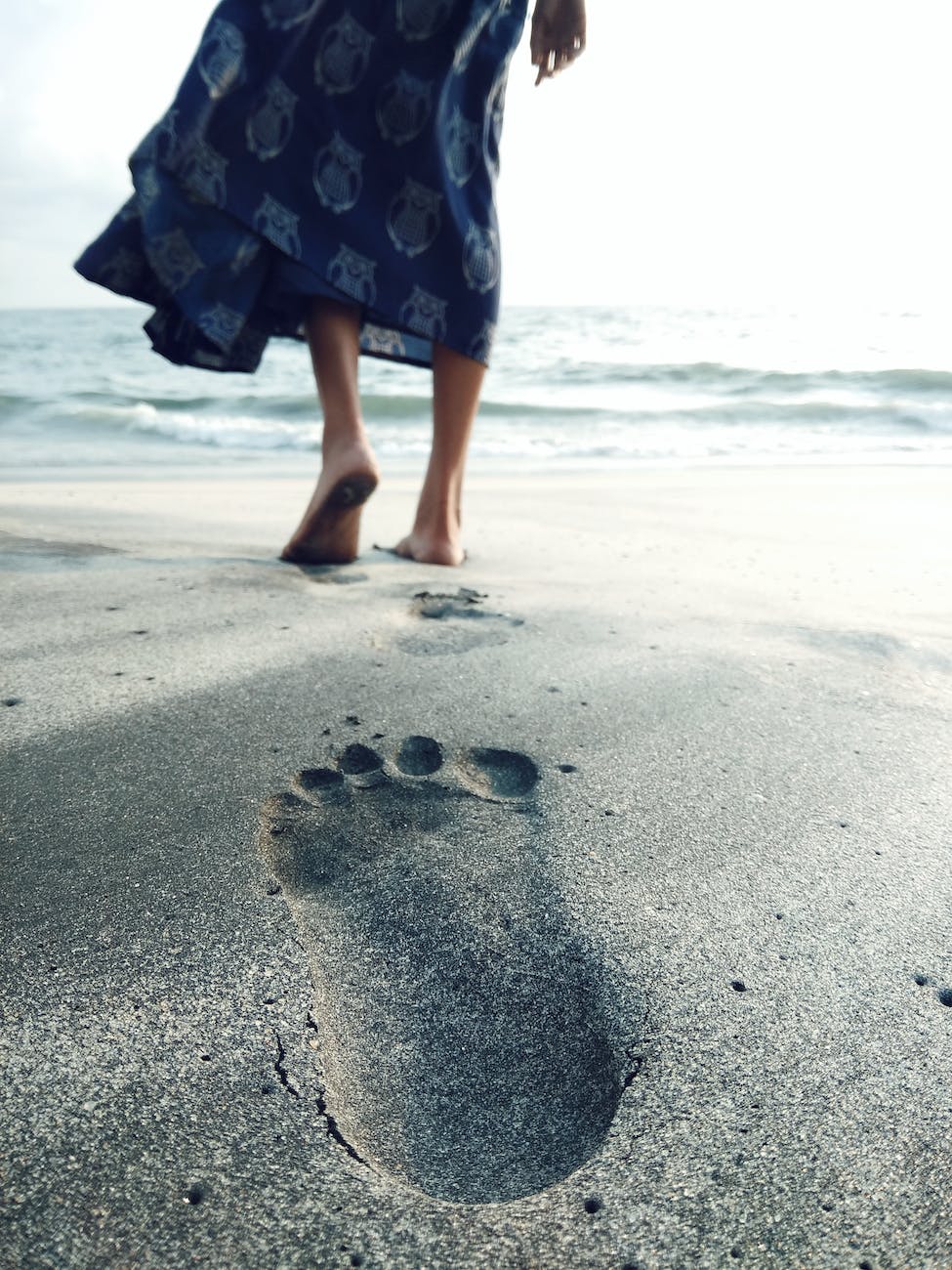
Photo by Akshaya Premjith on Pexels.com

Walking like a pilgrim

You don’t have to walk long distances to walk like a pilgrim. Instead of being goal-orientated it is all about walking with mindfulness, taking in the aroma of herbs along the path through your nostrils, hearing the water of a creek in the distance, enjoying the morning song of a blackbird, feeling the warmth of the sun on your skin and opening your eyes to what you see around you.

A pilgrimage walk is a destination with meaning, like walking from the magnificent 14th-century Wells Cathedral, Somerset England, to Glastonbury Tor – a significant spiritual place of worship since the time of the Celtics. But it could also be walking between an ancient oak tree and a bridge crossing a river.

It can also be a walk to resolve a particular question, an unresolved problem, or to say a prayer of gratitude. You could ask the universe for an answer as you do your walking and open yourself to the whispers from the universe in the form of signs and symbols. Sometimes the answer would come in a casual remark made by a stranger.

Many philosophers, writers, artists, and poets have found inspiration while walking. According to legend the Greek philosopher Aristotele taught his students while walking. The composer Johan Sebastian Bach in 1705 walked 205 miles from Arnstadt to Lübeck along the Baltic coast to find inspiration. The great Persian philosopher Rumi said about walking:

“Keep walking, though there is no place to get to. Don’t try to see through the distances. That’s not for human beings. Move within. But don’t move the way fear makes you move.”

Reino Gevers – Author – Mentor – Speaker

One more thing...If you have found this article interesting you might want to subscribe with the “follow” button above or recommend my FREE weekly Blog to friends and family. My books can be ordered at all places that sell good books in both paperback and kindle.

Leave a comment

Filed under mental health, mental-health

Your community: A key to healthy living

When scientists first published their studies on the earth’s five blue zones where people live the longest most follow-up reports picked up on the nutritional aspect. But a common denominator less debated was that people in all the five regions felt a strong sense of belonging and purpose within healthy and supportive communities.

We are hard-wired as social beings. The people we surround ourselves with have a much higher impact on our health and happiness than previously thought. Your tribe can either pull you down or lift you up. (see my previous blog)

Creating strong social networks

Strong community ties are key to longevity, according to Dan Buettner, author of “The Blue Zones”. The five blue zones were identified as communities living in Okinawa, Japan; Sardinia, Italy; Nicoya, Costa Rica; Ikaria, Greece; and Loma Linda, California.

The Okinawans, for example, are known to create strong social networks that provide financial and emotional support to their community members.  

Good communities prescribe healthy habits

People in longevity cultures socialize with one another, reinforcing prescribed behaviors such as adopting good nutritional habits and exercise.

Sardinians and many Mediterranean cultures end their day in the local bar where they meet friends and family. Village festivals and harvests require all members of the community to participate.

Professor Lisa Berkman of Harvard University did a nine-year study in which she found that the impact of marital status, friendships, and the level of voluntary work in clubs or associations all had an impact on how well people age.

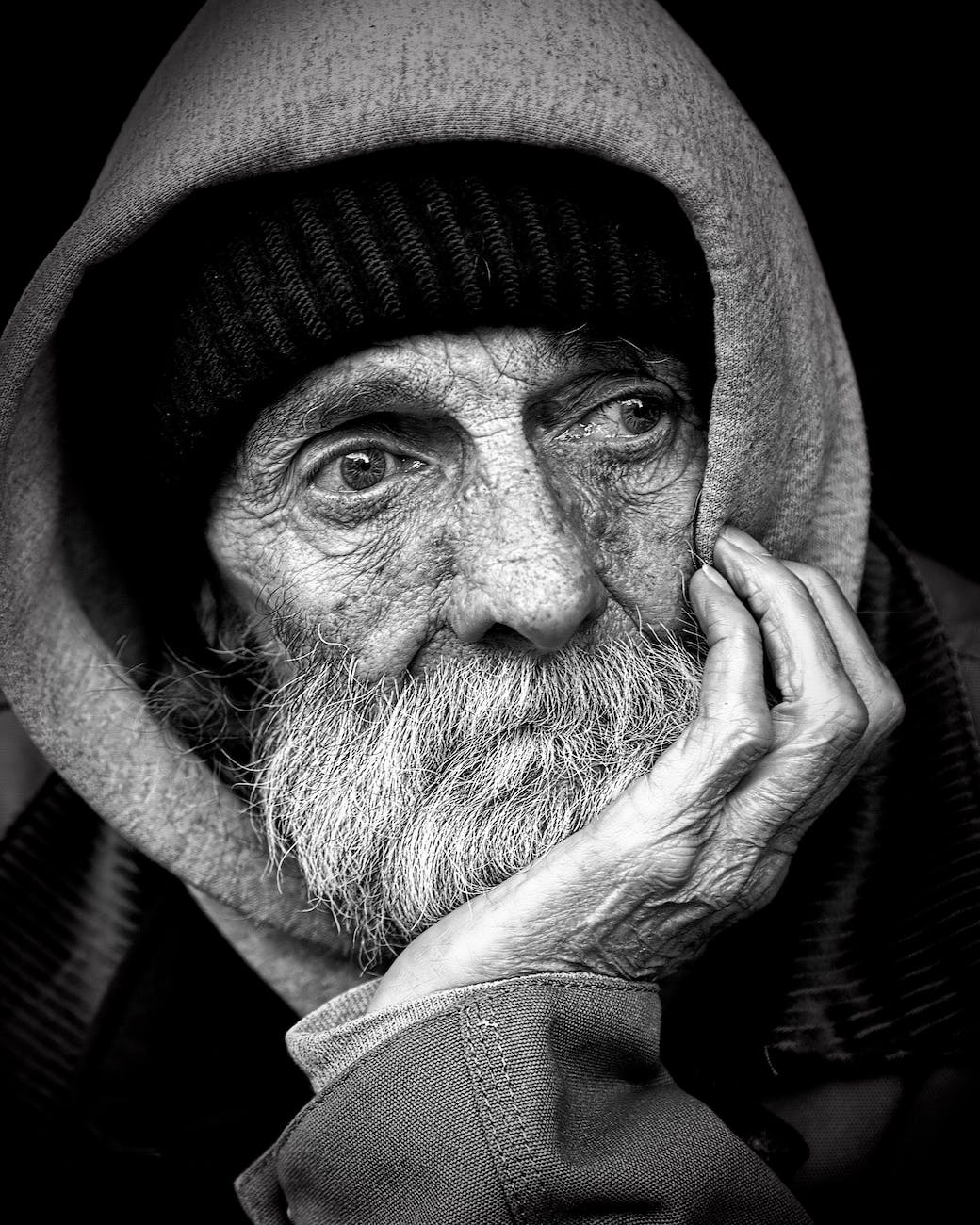
Photo by Pixabay on Pexels.com

But how do I identify and become a member of a healthy tribe:

  • The people you most associate with in your inner circle should be people who uplift, validate, and support you emotionally.
  • Avoid people who are notoriously focused on the negative and emanate permanent grumpiness. Buettner writes in “The Blue Zones. “Of the centenarians interviewed there wasn’t a grump in the bunch… Likable old people are more likely to have a social network, frequent visitors, and de facto caregivers.”
  • Spending time together each day with a positive activity such as walking can make a hugely positive impact on your life. Frédéric Gros, a professor of walking, says: “Walking is exploring the mystery of presence. Presence to the world, to others and to yourself… You discover when you walk that it emancipates you from space and time, from… vitesse.” So-called “philosophy walks” are designed to stimulate deeper thinking while out walking in nature. 

Some people might argue that maintaining a strong family bond is good for you. But for some people sharing time with their biological families makes them feel unhappy, stressed, and unhappy. Human families are extremely complex and interactive.

Whether it’s your biological family or your chosen tribe or community. It should give you a sense of fulfillment, happiness, and a generally positive feeling of being liked and accepted just as you are with all your light, shadow, and uniqueness.

Reino Gevers – Author – Mentor – Speaker

One more thing...If you have found this article interesting you might want to subscribe with the “follow” button above or recommend my FREE weekly Blog to friends and family. My books can be ordered at all places that sell good books in both paperback and kindle.

Leave a comment

Filed under mental health, mental-health, Uncategorized

Walking into health and well-being

Heaven is under our feet as well as over our heads.”

Henry David Thoreau

With most of us spending many hours a day glued to screens, going outdoors and taking a walk in nature is one of the easiest most simple ways of maintaining your physical and mental health, according to a growing body of research.

What avid walkers have known all along is being confirmed by science. Walking in the green and blue spaces of nature is healing on multiple levels.

Trees emit airborne chemicals, called phytoncides, used to protect themselves from insects. As we breathe in these phytoncides, our bodies respond by increasing the number and activity of a particular kind of white blood cell, called natural killer (NK) cells.

The term forest bathing or shinrin-yoku became popular in Japan in the 1980s. It is basically immersing or meditating in nature. Against the background of the increasing number of people with subhealth the Japanese researchers found that shinrin-yoku not only brings people with subhealth a healthy lifestyle but also offers complementary therapies to the sick. Subhealth is described as a condition between health and disease.

In the United States researchers monitored the intimate connection of trees to our physical health after the emerald ash borer decimated over a million trees in 15 states between 1990-2007. Less tree cover was linked to over 6,000 deaths from respiratory disease.

Stress hormones such as adrenaline and cortisol weaken the body’s natural defense systems, making it susceptible to cardiovascular and other diseases. By spending time in the green and blue spaces of nature you can reduce those stress hormones in your body significantly.

We can interact directly with nature by opening our senses to the sound of bird song, the aroma of herbs and plants, the rushing waters of a creek, or simply meditating on the beauty of a flower.

The British Psychological Society has studied the benefits of outdoor therapy, especially for care workers. Stabilization, mindfulness, and other sensory exercises like walking while paying attention to the five senses have been found to be particularly beneficial when compared to indoor therapy sessions.

We easily become disconnected from the natural world by spending most of our lives in offices and consuming digital media. This inevitably leads to a sedentary lifestyle. Coupled with lack of exercise, a poor diet of processed food and stress the modern lifestyle is exceptionally unhealthy. Average longevity has increased over the years but few people are asking the question about the quality of life. Typical metabolism diseases linked to lifestyle such as diabetes 2, obesity, cardiac disease, cancer, dementia and alzheimer are on the increase in most industrial nations.

How much low-impact exercise do we need per day?

The World Health Organisation (WHO) recommends at least 10,000 steps per day to reach a minimum fitness level. Most people working in office jobs are very far from reaching this target. Typically people working in a Call Center walk less than 1,500 steps per day. Studies conducted by the German Sport University in Cologne found that a low impact exercise programe for adolescents suffering from depression had a significantly positive effect on their mental state and reduced the risk of them suffering from depression later in life.

As the poet, artist and writer Jay Woodman said: “When you truly sing, you sing yourself free. When you truly dance, you dance yourself free. When you walk in the mountains or swim in the sea, again, you set yourself free.”

Reino Gevers – Author – Mentor – Speaker

One more thing...If you have found this article interesting you might want to subscribe or recommend my FREE weekly Blog to friends and family. My books can be ordered at all places that sell good books in both paperback and kindle.

Leave a comment

Filed under mental health, mental-health

Health: We need a paradigm shift

May your body be blessed. May you realize that your body is a faithful and beautiful friend of your soul.“

– John O‘Donohue

You could be feeling a little „battle weary” by now from the daily dosage of Covid-related news. We wish it to be finally over but the pandemic still has many lessons in store for us mankind.

For one thing the issue of public health, and our integral role in a fragile environment has moved into the mainstream.

However, most mass media continues to be fear-based, propagating a one-dimensional perspective, and deflecting from the real underlying challenges. When fear rules the game our vision becomes clouded and our senses become susceptible to mind control and manipulation.

The elephant in the room

The elephant in the room is that two-thirds of Covid victims have had a medical precondition such as obesity, diabetes or stress-related problems that weaken the immune system. Young people with obesity appear to be particularly at risk.

Between a quarter to a half of nurses and health care workers suffer from obesity with experts pinpointing understaffing, stress and bad working hours as some of the reasons. An estimated 115 000 health care workers lost their lives to Covid.

Vaccines are a short-term necessity but not a long term cure. Covid has only highlighted to what extent a large portion of people in the industrialized countries suffer from medical preconditions that will keep on impacting entire economies.

A lifestyle feeding the epidemic

Our modern lifestyle contradicts the very way our bodies have evolved over thousands of generations. Poor exercise, a diet of mainly processed foods and high stress levels cause havoc to the body‘s natural defense systems. Its the perfect feeding ground for a virus that keeps attacking in different mutations.

The „health industry“ is largely in the vice grip of the pharmaceutical industy that is interested in longevity but not quality of life. The processed food industry‘s primary interest is not your health. It is to increase profits by boosting the shelf life of its products with artificial additives that flood the body with toxins, causing a multitude of health problems.

Covid will not be the last virus so we had better start looking at ways of how we can motivate ourselves and others in looking after our body, mind and spirit.

The discipline of maintaining a vibrant body and mind is that bridge toward becoming who you are truly meant to be.

If you don‘t take the time to look after your health, your body will soon force you to take the time to do so.

Just take a walk

Walking is one of the easiest and best ways of how you can start improving your body metabolism. Its one of the most underrated and best ways possible to exercise your body. We have literally been hard-wired by evolution to walk. I go into more detail on this in my book: Deep Walking for Body, Mind and Soul.

What you feed your mind and your body with is what you become. If you are addicted to news channels and social media propagating fear and anxiety you will start feeling emotionally drained and stressed.

Your brain and body need the essential nutrients from foods our ancestors have always eaten, mostly freshly harvested from the ground and the trees without pesticides. Meat was from animals that ate grasses and herbs. Fish came fresh from a clean ocean and river waters.

Photo by Wings Of Freedom on Pexels.com

Aligning body, mind and spirit

Its a no-brainer but we need a real paradigm shift when it comes to personal health and self-care.

By getting enough sleep and exercise, eating the right foods and surrounding yourself with positively-minded people you will have taken the first step to making yourself more resilient in coping with life‘s up-and-down cycles.

When you feel strong in body and mind you become centered and empowered. You will be more resilient to the constant pull of such toxic emotions as anger, hate, fear, envy and frustration.

Reino Gevers – Author – MentorSpeaker

One more thing: If you have found this article useful please share to spread the message. Check out also the latest online courses for you to download books and our retreats on the island of Majorca.

Leave a comment

Filed under mental health, mental-health

Are you a “do-one-day” person?

I remember a family friend from my childhood who had spent most of his life working and saving every penny for “a rainy day”. Only months prior to his planned retirement he died in his sleep with the heirs showing little appreciation for what had been saved with such sacrifice.

Almost on a daily basis people are telling me about all the things they “will do one day” with the bucket list staying in the bucket as the miracle of life and the beauty of the moment passes by unnoticed. Employees stay in jobs that they find unsatisfying, focusing all their energy on the next vacation and that “one day” when they can go into retirement and they can finally start living.

Regretting opportunities missed

When retirement comes they continue spending their days in quiet misery out of regret for all the opportunities lost and in the sadness over that which was and is no more. If a mindset is locked in procrastinating on the past and the future, this will not change when external circumstances change. The myth of retirement is that we can then fall into the armchair and have a nice rest. The problem is that when body and mind are inactive, they feel no longer needed and say goodbye.

But an even more pressing issue is the pain and suffering caused by the disconnect between internal and external needs. The external mindset feeds on fear. The illusion of immortality is created that emphasizes accumulation of material assets.

If we are lucky we have a lifetime of between eight and nine decades with physical and mental capacity generally declining as we grow older. An internal mindset is aware of the clock ticking and that we have a limited time available to live our purpose and our dreams.

All the time and no time to lose

We have in a sense all the time in the world and at the same time no time to lose. The beauty of life is in the here and now. Planning for the future is important but life inevitably is full of twists and turns. Life purpose is not set in stone. Priorities, dreams and wishes can change over time.

Reflect on your real needs and motives. Behind the wish of having a certain amount of money might be the real desire to feel secure and safe. Having the wish to wear the latest designer clothing or owning a sports car could be disguising the real need to work on self-confidence and self-worth.

A positive abundance and prosperity mindset includes all aspects of life such as health, relationships, fulfillment of material needs and spiritual development. Giving back to the universe what the universe has provided comes from an abundance mindset. The big changes in life come from setting small daily goals, and turning bad habits into good habits. Eating the right foods and doing a daily exercise routine is a good way to start building the vitality needed to fulfill your dreams.

Gratitude

One of the most important antidotes to the “one day I will be happy and rich” attitude is a daily gratitude ritual. What are the three things that I am really grateful for today? What experience during the past 24 hours was a key lesson for my spiritual development? Who are the teachers, friends, relationships I am truly grateful for in making me into the person I am today?

Opening the senses to nature

One of the most underrated and important ways of staying mentally and physically fit is taking a walk in nature. It is when you are alone in nature that you can attune the senses to the sights, sounds and smells of the universe. You will instantly start feeling alive and appreciate the beauty of the moment when you turn all your attention to the bird circling in the sky, inhale the aroma of fresh morning dew or hear the sound of water in a creek.

Life is full of beauty, abundance and small miracles that we fail to see if we procrastinate in the past and in a future that will always be different than what you had feared or envisioned.

Reino Gevers – Author – Mentor – Speaker

One more thing…

If you have found this article useful please share to spread the message. I’ve also recently compiled brand new online courses that you can download onto your computer or smartphone on ways of how you can transform your life on multiple levels. Also check out the recent reviews of my book “Deep Walking for Body, Mind and Soul.

Leave a comment

Filed under mental health, mental-health

A changed world after lockdown

We are in the fifth week of our lockdown in Spain which has some of the most stringent Coronavirus rules in place. I was stopped a few days ago by police near my home who told me in no uncertain terms that taking doggy for a walk was not allowed if I had a garden where the dog could go outside.

Moving about is embedded in our genes

When this is over I will appreciate all the more my long walks in nature in the nearby Tramuntana mountains of Majorca. I have become more aware that moving about freely and traveling to faraway places has become very much part of our modern lifestyle. It will take a while to fully comprehend how farreaching an effect this is having on what we have perceived as fundamental freedoms. Our movements are likely to remain restricted for some time to come. What this means for the travel industry is anyone’s guess.

The urge to be on the move and discovering new places is embedded in our genes. Our ancestors moved from the trees to walk on the ground to seek new feeding grounds. For thousands of years, humans were nomads moving from place to place. As recently as 500 years ago there were still hunters and gatherers in many parts of Europe, Africa, and the Americas.

Finding authenticity on the journey

Jewish mysticist teachers made a point of sending their students on a journey to broaden their mental and spiritual horizons. It was also a way of teaching the scholar not to become too dependent on the Master and to find their own inner authenticity. Experiential spirituality in the mystic tradition is something awaiting discovery from within and cannot be imposed externally by rules of belief.

img_3037

Hiking trail, Majorca

The apprenticeship training of carpenters in Germany has for centuries followed the same tradition. After learning the basic tools of the craft from an experienced “Meister”, the apprentice goes on a “Wanderschaft” or hike to distant places to both finetune his skills and character.

Finding the empty space 

Every pilgrim who has gone on a pilgrimage on the Camino in Spain knows all about the “zoning out” into that empty space that comes when walking alone in nature for several weeks.  Experiential spirituality is a deep personal connection with the divine. Spirituality is all about following and remaining true to your divine purpose. Limitations to “Be-coming” are all too often set by the parameters of doctrine, parental expectations and the constant drum-beat of digital distractions.

When our senses are attuned to nature we find alignment with the universe. There is a close feeling of connectivity to the whole in the seemingly chaotic.

It is all the more reason to look forward again to my next annual pilgrimage. It might not take place at all this year on the Camino because we don’t know if all the restrictions will be lifted by summer. Meanwhile, it will have to be short hikes closer to home.

Reino Gevers – Author, Mentor, and Consultant

https://www.reinogevers.com

Gevers-DeepWalking CVR.indd               paperback_cover_1

Order here

Leave a comment

Filed under happiness, healing nature, humanity, lifestyle management, psychology, spirituality, Uncategorized

Walking to the truth within

A great dilemma of our time is that we are having to deal almost continuously with the distractive pull of a culture obsessed with the immediate gratification of the senses and the illusion that an accumulation of things brings happiness.

The imbalance between wanting to fulfill the needs of the external world and bringing that into synchronicity with the inner truth and the needs of the soul creates an almost unbearable tension that many people try to suppress with substance abuse and other obsessive behaviors.

The hungry ghosts of the external world

Behind the insatiable appetite of the hungry ghosts is embedded the fear of never having enough and that someone might want to take away what I already have. It is the hungry ghosts that drive our culture into destroying our habitat for future generations and it is the hungry ghosts that create an atmosphere of xenophobia toward people who are different from us.

The state of our world is merely an expression of the turmoil within. Hope, however, springs that a small but growing minority of people are taking that walk within to their truth and spiritual authenticity.

The Camino is a symbol of the search for new spiritual meaning

The Camino pilgrimage path in northwestern Spain has become a symbol of this search for new meaning. When walking away from the distractions of the external world the inner world starts revealing itself. It is why so many people who started the walk as a hike end up walking it as a pilgrim.  Last year a total of 320,000 pilgrims walked the Camino, another record, that is likely to be broken this year.

Hope_image

Happiness is a state of mind

It is fascinating to watch first-time pilgrims very often starting their walk with too much clutter in their backpacks and then realizing after a few days that they don’t need most of the things.

One of the great blessings in walking the Camino is the realization that happiness is a state of mind that comes with the discovery of the inner authenticity, and literally walking away from the pull of the external world. A great way of starting the day is a gratitude ritual. The antidote to the pull of the hungry ghost is feeling a real appreciation for the moment and what is.

Reino Gevers – Author, Mentor, and Consultant

(Read more on this topic in my new book “Deep Walking for Body Mind and Soul” Ebook scheduled for publication by Morgan James in New York on May 5th, 2020. Printed edition scheduled for the major outlets in August 2020)

https://www.reinogevers.com

                                             applepodcast         


2 Comments

Filed under happiness, lifestyle management, outdoor coaching, psychology, self-development, spirituality, Uncategorized

Walking into authenticity

A pilgrimage walk is so much more than an ordinary hike, working on many subtle levels, that may trigger a changed perspective and a complete realignment of emotional, physical and spiritual needs.

Walking the Camino is a walk into authenticity when the whispers from the inner voice gradually become heard as with every step more distance is created from the pull of the external distractions of the daily treadmill.

Moving to a higher energy level

From my own observations, I would say that most people are living lives in which they suffer in a quiet misery of unhappy jobs, dysfunctional relationships and other unfulfilled needs that come when the mind is focused too much on external rather than internal needs.

A combination of a daily dosage of junk foods, a mind fed with negative gossip and emotional drama, a sedentary lifestyle, an imbalanced stress, and recuperation cycle, inevitably lead to a downward energy spiral.

Finding that momentum to change an unhappy situation

Over the years it then becomes that much more difficult to find enough energy for the momentum to change an unhappy situation, especially when it comes to taking that first step in changing bad food habits, doing a regular exercise routine or morning ritual.

When you are on a pilgrimage walk, you simply have to keep going. Once you are on the path the pull to complete it is very strong. Other pilgrims will give you that extra bit of encouragement when you are having a down moment.

Walking off old emotional baggage

Especially during the early stages of the walk, there will be mornings when every muscle in the body is aching and feet are blistered.  You may be asking: “Why am I doing this?” But gradually the walk becomes easier, the load from a backpack less heavy, and the motivation to reach the destination that much bigger.

Camino_Portuguez

It is a huge reward when you actually start feeling so much better, physically and emotionally.  It is part of the detox, the walking off of old emotional baggage, that is part of the Camino experience.

By the time you have walked three or four weeks on your pilgrimage retreat, your energy frequency inevitably rises. This becomes noticeable in the resonance with people that have a positive mindset.  You might find stray dogs or cats following you, a bird singing at you from a breakfast table or complete strangers greeting you and starting a conversation. You will also become more aware of the beauty of your surroundings.

Taking time out for realignment

Over the years I’ve tried fitting in a pilgrimage retreat into my schedule every year. It has been life-changing. Modern lives have become exceedingly stressful with the emotions of pain and fear dictating the daily narrative. The uncertainty that comes with exceptional economic and social changes is making many people ill.

More than ever, therefore, we need those time out retreats for inner realignment for those age-old questions seeking answers: Where do I come from? Where am I going? Am I leaving a positive footprint for future generations? The sense of purpose reveals itself in the authentic self.

Reino Gevers – Author, Mentor, and Consultant

https://www.reinogevers.com

                                             applepodcast         


Leave a comment

Filed under Camino de Santiago, connection, happiness, lifestyle management, meditation, mental-health, Pilgrimage, psychology, self-development, spirituality, Uncategorized

Day One on the Camino

Today is my first day as a volunteer in a pilgrim’s hostel on the famous Spanish pilgrimage route – the Camino de Santiago.

Pilgrims have walked this path for centuries. In modern times its being rediscovered by thousands of people as a modern-day route to self-discovery.

img_2410

Pilgrims checking out the next day’s route in the pilgrim’s hostel, or albergue, in the town of Najera on the Camino Frances

Giving back to the Camino what the Camino has given to me over the years is an enormous privilege.

I arrived in Najera, northwestern Spain, in the valley known for its famous Rioja wines last night. As a volunteer hospitalero I am one of four people who serve in a pilgrims’ hostel for two weeks. We register the arriving pilgrims who come from places as far as South Korea, Colombia, Japan, Canada, Australia, and Kazakhstan. In the mornings we clean the rooms, toilets and prepare the hostel for the next group of pilgrims.

Every pilgrim has a story

Every pilgrim comes with a story and is happy to share some experience while on the way. Last night Darko from Croatia told me how he met a Swedish couple celebrating their 50th wedding anniversary walking the Camino. They were sitting on a bench looking at the vineyards in the valley below. “So has someone hugged you today, ” he asked. “No, they replied. You are the first one who asks.”

“Well, then can I give you a hug then?” he responded to the beaming couple.

My fellow volunteers are from France, Argentina and Spain. We converse in a mixture of pigeon Spanish and French. It always works out. All of us have walked the Camino several times and it doesn’t need much vocabulary to understand what needs to be done.

Reino Gevers – Author, Mentor and Consultant

https://www.reinogevers.com

                                             applepodcast         

Leave a comment

Filed under Uncategorized