There are places in the world where the boundary between the ordinary and something deeper feels remarkably thin.
Ancient peoples understood this instinctively. Long before maps, property boundaries and modern planning regulations, they paid careful attention to where they built their temples, sacred groves and places of worship. Certain springs, mountains, caves, rocks, forests and hilltops were regarded as places where the human world came closer to the divine. The location itself mattered. Sacredness was not simply something that could be brought into a building; sometimes it was already present in the landscape.
We might call this a thin place—a place where the distance between the visible and invisible worlds seems diminished.
I have often wondered whether we have lost something of this sensitivity.
There is, of course, another side to it. Some places seem to carry the opposite quality. Landscapes marked by violence, suffering or tragedy can retain an atmosphere that is difficult to explain rationally. A battlefield, an abandoned concentration camp, a house where terrible things happened, a village emptied by war—these places can seem to hold an echo of what occurred there.
Perhaps this is memory embedded in landscape. Perhaps it is our own imagination responding to what we know happened. Perhaps there is something more subtle.
I don’t pretend to know.
But I have noticed something while walking.
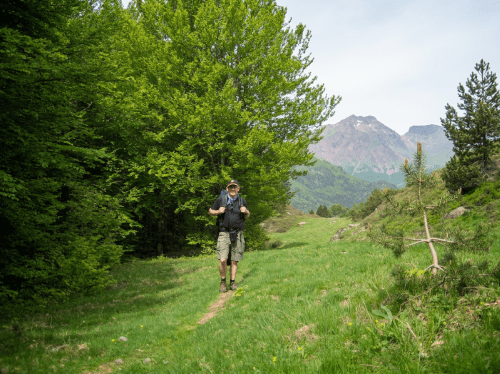
On my pilgrimage journeys, I have sometimes entered a village and experienced an almost immediate sense of lightness. Nothing dramatic happened. There was no revelation, no voice from heaven, no mystical apparition. Simply a feeling that the place was alive.
The streets were clean and cared for. Flowers appeared in window boxes. Doors were open. People greeted the pilgrim with a smile. There were small cafés, benches, churches and places where people could pause and meet one another. Children played. Someone was tending a garden. Life seemed to flow naturally.
And then, sometimes, I would enter another place and feel quite different.
The shutters were closed. Houses appeared empty even when they were occupied. There were few places where people could gather. Gardens were neglected. Buildings were deteriorating. The streets seemed strangely silent. It was as though life had withdrawn.
I cannot prove that these impressions have anything to do with a measurable “energy frequency.” Nor do I think we need to turn every intuitive response into a supernatural explanation.
But I have learned to pay attention to such feelings.
Walking slows you down sufficiently to notice things that you would normally rush past. You see the quality of a village not simply through its architecture but through the way people inhabit it. You notice whether people sit outside their houses, whether they greet strangers, whether children have somewhere to play, whether churches are open, whether gardens are cultivated, whether there is a sense of care.
Perhaps what youvexperience as the “energy” of a place is sometimes the accumulated expression of the people who live there.
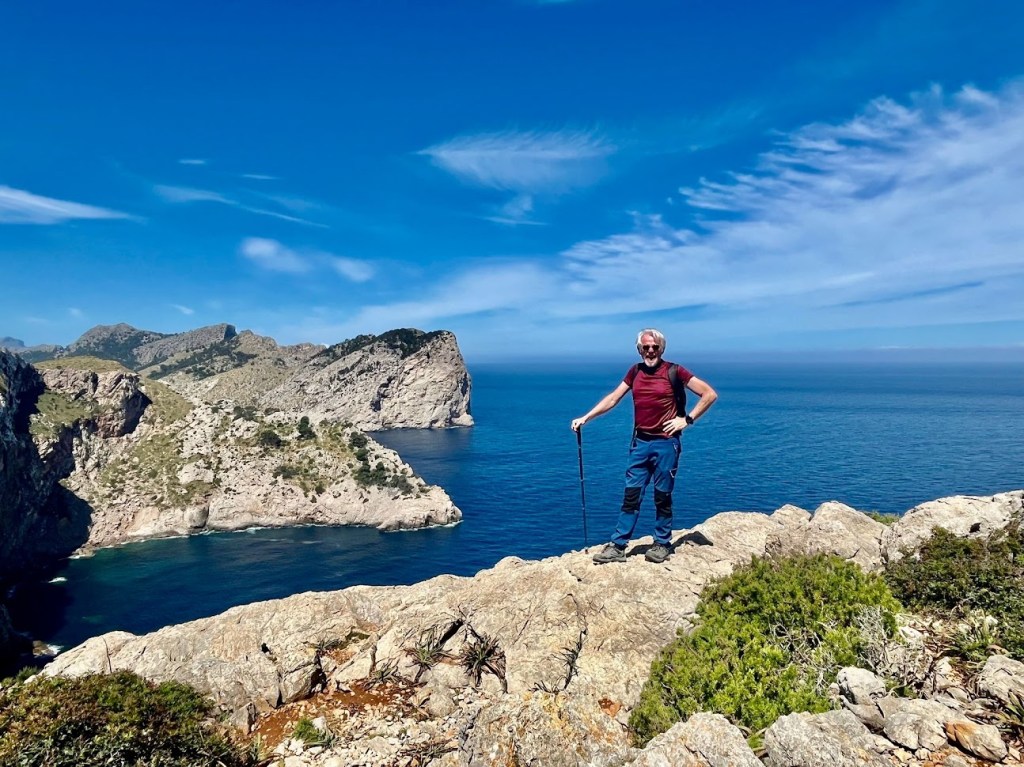
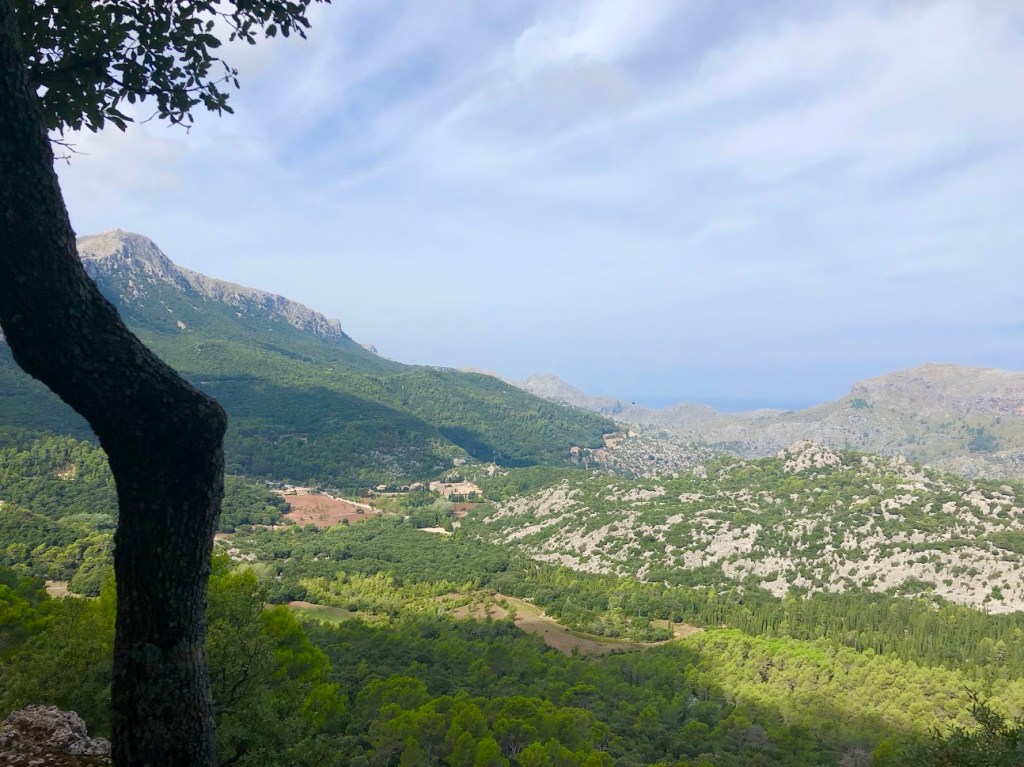
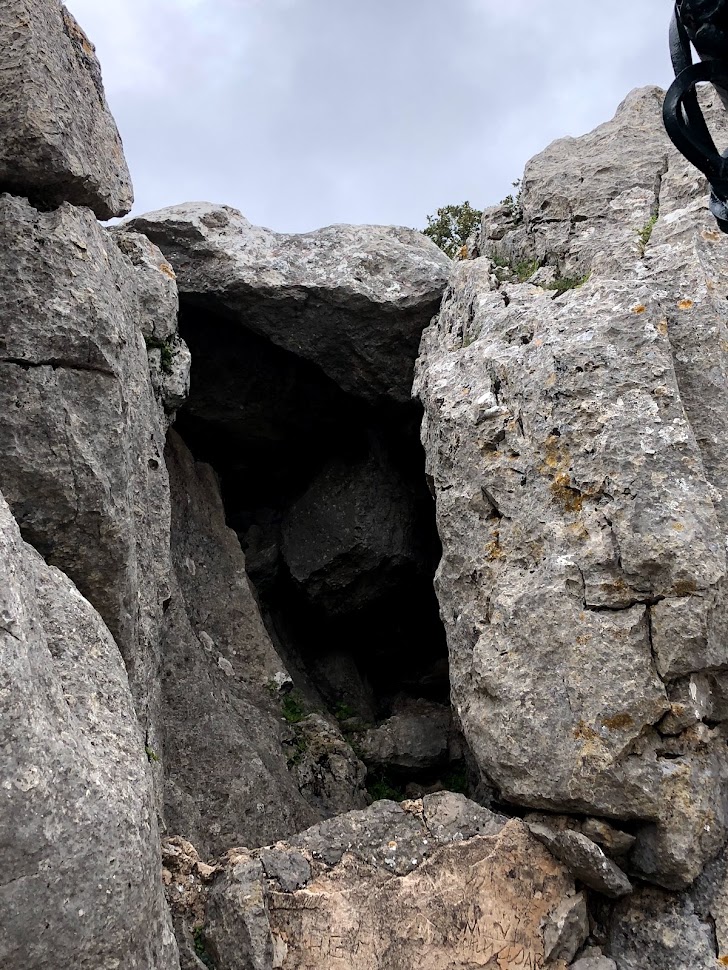
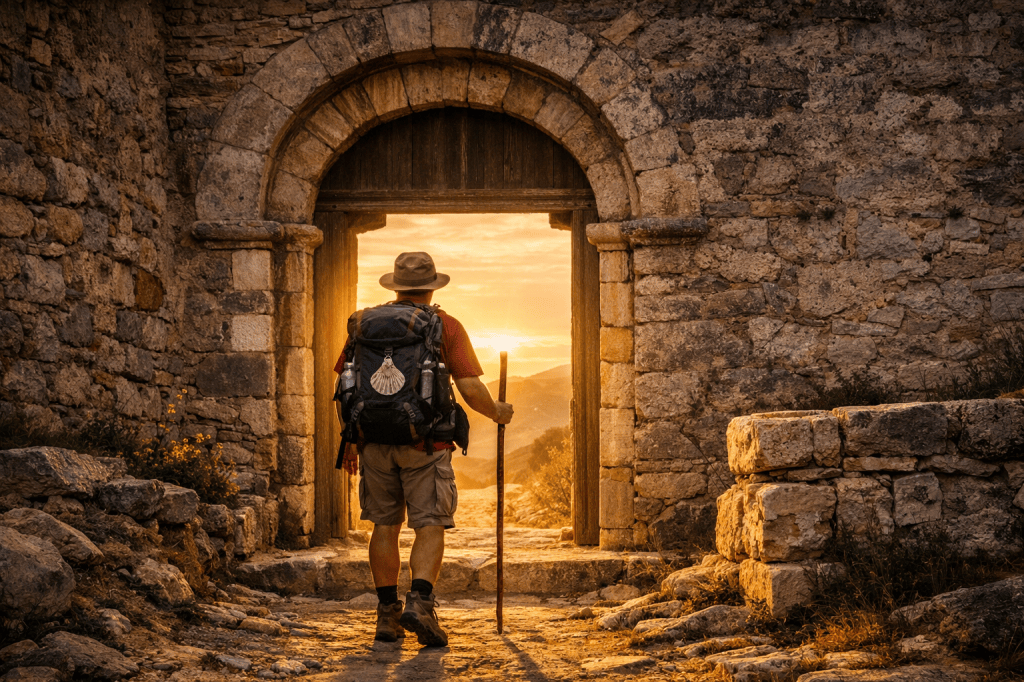
And perhaps the relationship works in both directions: you shape a place, and a place shapes you.
This has also made me think about why certain landscapes seem to have inspired some of humanity’s greatest thinkers, painters, poets and writers.
We tend to imagine inspiration as something that happens inside the individual mind. The genius sits at a desk, picks up a brush or opens a notebook, and creates something extraordinary.
But perhaps creativity is also a conversation with place.
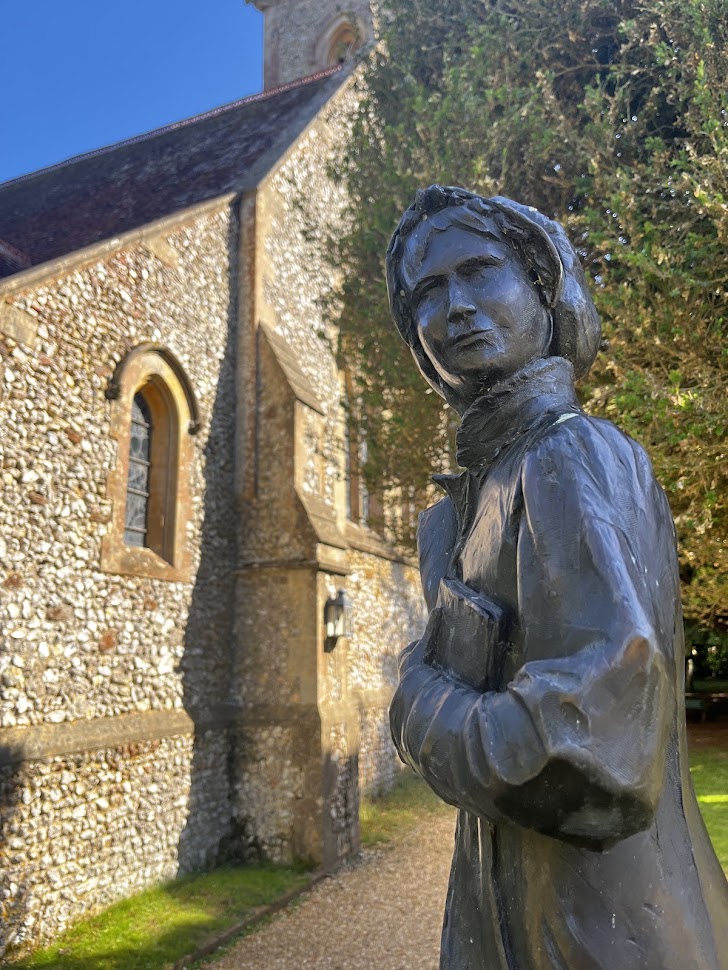
Recently, walking through the countryside around Chawton, I found myself thinking about Jane Austen.
There is something about that landscape that makes her books feel less abstract. The lanes, hedgerows, fields, wooded paths and gently rolling countryside provide a physical world in which her characters seem entirely at home. Walking through what is called Jane Austen country, one begins to understand why this particular landscape could have nourished such a precise observer of human nature.
Austen did not simply write about people. She wrote about people in relationship to place—houses, estates, gardens, villages, drawing rooms, roads and landscapes. Social life and landscape were inseparable.
And perhaps that is true of creativity generally.
Think of the painters who were transformed by particular landscapes, the poets who returned again and again to the same hills or rivers, composers like Bach who found inspiration in the countryside, or the writers like Dickens who needed to walk before they could write.
Maybe the landscape doesn’t simply provide a backdrop but participates.
There is an old idea that certain places are “charged” with something greater. We might describe that in religious language, psychological language, ecological language or simply as a heightened sensitivity to beauty and history.
I am increasingly comfortable leaving the question open.
For me, pilgrimage is partly about learning to enter that openness.
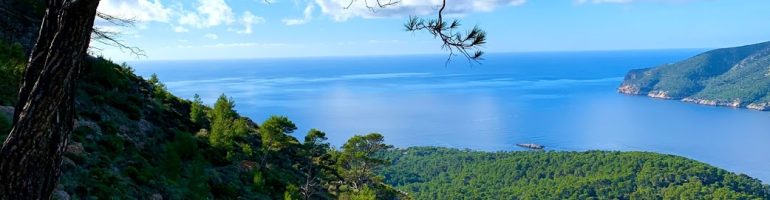
When you walk, you surrender some of your usual control. You move at the speed of your feet. You become attentive to weather, trees, birdsong, stone walls, ancient paths and the changing light. You begin to sense that the landscape is not merely scenery through which you are passing.
It becomes a participant in the journey.
And occasionally, without quite knowing why, you enter a place and feel something shift within you.
The world seems a little more spacious. The mind becomes quieter and the heart feels lighter.
Nothing has necessarily changed, except the capacity to be more present.
Perhaps that is what a thin place really is.
Not necessarily a place where heaven breaks through into earth, but a place where you become thin enough to notice what has always been there.
Reino Gevers – Host of the LivingToBe podcast
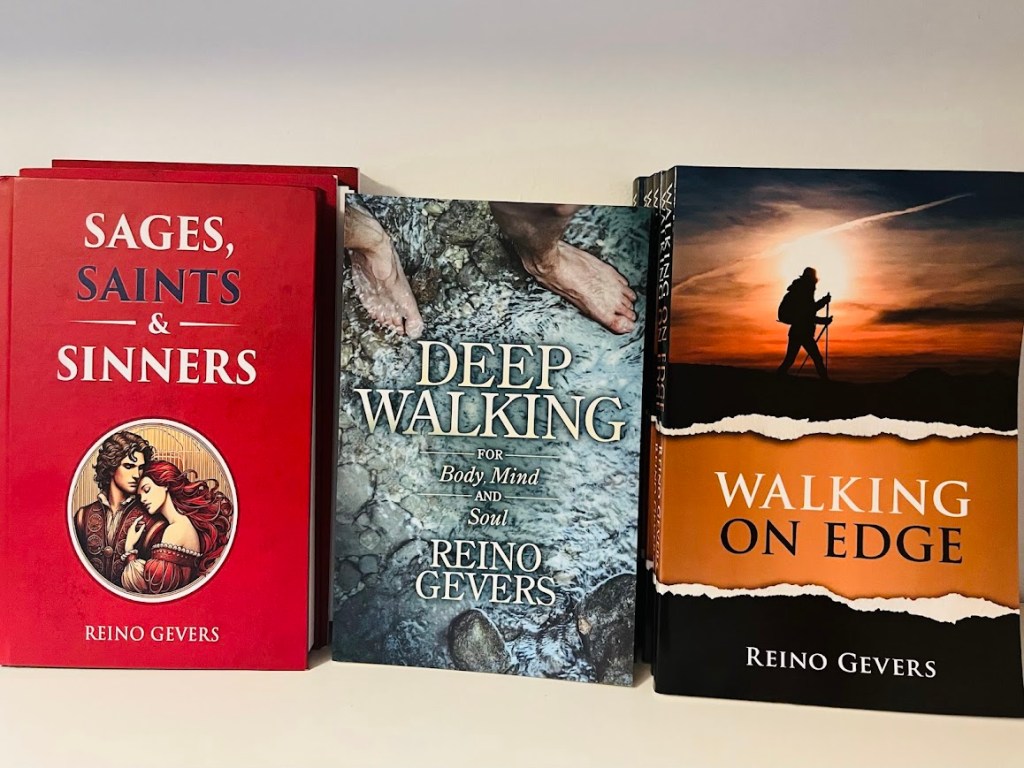
P.S: If you enjoyed this article, you might be interested in reading one of my four books, available where all good books are sold.