Over the past few months, I have been squeezed by the Spanish tax authority in a way I can only describe as grossly unjust. An anonymous bureaucracy can be exceptionally cruel and indifferent — arbitrary decisions handed down by people who will never see your face, in a process over which you have no control. Amid the anger and frustration, I found myself asking the universe what lessons this situation holds for me personally, sorely testing my own faith over fear.
The first thing I am beginning to understand is that abundance is not a reward for good behaviour. The universe does not withhold it because you have done something wrong. What I am experiencing — this feeling of being squeezed from the outside — is one of the oldest initiations on the spiritual path. The Celts would say you are standing at a thin place, that permeable boundary between what was and what is trying to be born.
Money is one of the most misunderstood subjects in spiritual teaching. The familiar saying that “money is the root of all evil” is a misquotation. What Paul actually wrote in his first letter to Timothy is that the love of money is the root of all evil — a crucial distinction. Jesus himself did not condemn wealth. He pointed, again and again, to the danger of attachment. “Where your treasure is,” he said, “there your heart will be also.” When the heart anchors itself to external resources for its sense of safety, it has already lost its freedom. The lesson, then, is rarely about money itself, which is merely an exchange commodity. It is almost always about trust.

Where does your sense of safety and trust live?
Ask honestly: where does your sense of safety live? If it lives in the balance of an account, the universe — in its ruthless compassion — will go directly to that place and shake it. Not to punish, but to show you that the house was built on sand, and that there is rock underneath if you are willing to dig.
The Celtic teacher John Philip Newell, drawing on the deep well of the Iona tradition, speaks of the soul as something that cannot be diminished by what is done to us from the outside. Peregrine monks — those early Celtic wanderers who cast themselves onto the sea without oars — understood that security was never found in possessions or permanence. Their freedom came precisely from having so little to lose. That is a radical kind of abundance.
Injustice, when it arrives, asks a question beneath all the noise: Am I willing to hold my integrity and my peace even when the external world behaves badly? That is not passivity. That is spiritual sovereignty.
Abundance, in its deepest sense, is a state of inner orientation before it is ever an outer condition. The mystics did not teach prosperity. They taught permeability — the capacity to remain open when everything in you wants to contract and defend. This does not mean surrendering the fight. What deserves to be contested should be contested, with clarity and persistence. But the fight must not become all-consuming, must not cloud the mind with bitterness or corrode the spirit with anger.
It is about returning, again and again, to that inner temple that cannot be taxed — and remembering that true abundance has always lived there.
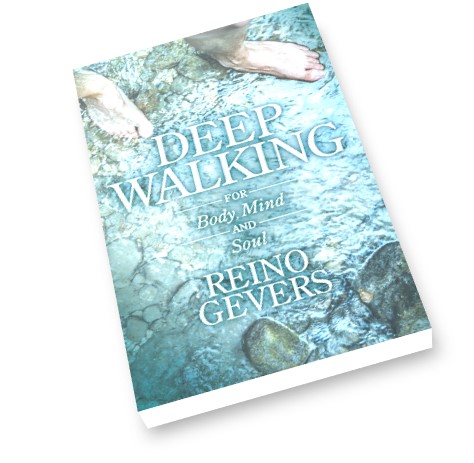
Reino Gevers – Host of the LivingToBe podcast
P.S. In the coming days, I’ll share more about Letters from the Threshold, a Sunday letter where I explore many of these themes in greater depth. For those who find value in thoughtful reflection and deeper inquiry, there will soon be an opportunity to subscribe.