Tag Archives: writing

Lessons from the 14th Century Plague

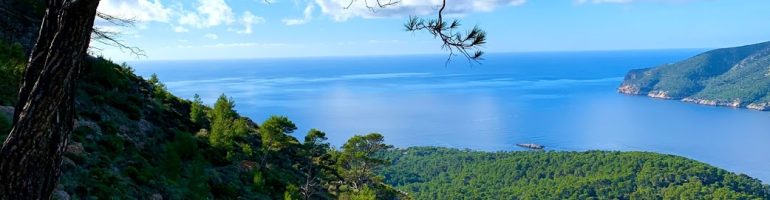
There are places where history feels very present and where the emotional residue of another age still clings to stone and air. Puig de Maria, rising above the town of Pollença, on the Mediterranean island of Mallorca is one such place. It is not simply an old monastery, but built as a human answer to a dark time.

In 1348, as the Black Death swept across Europe. Suffocating fear was everywhere. Death arrived without logic or mercy, dismantling the illusion of control that underpinned medieval life. It is in this context that Puig de Maria was conceived: not as an architectural ambition, but as a cry to the divine.

The decision to build a sanctuary on a mountain summit high above the town was not accidental. It carried symbolic weight. To ascend is to separate—from contagion, from chaos, from the unbearable proximity of suffering. But it is also to draw nearer to God, to meaning, to the possibility that fear can be held within something larger than itself.

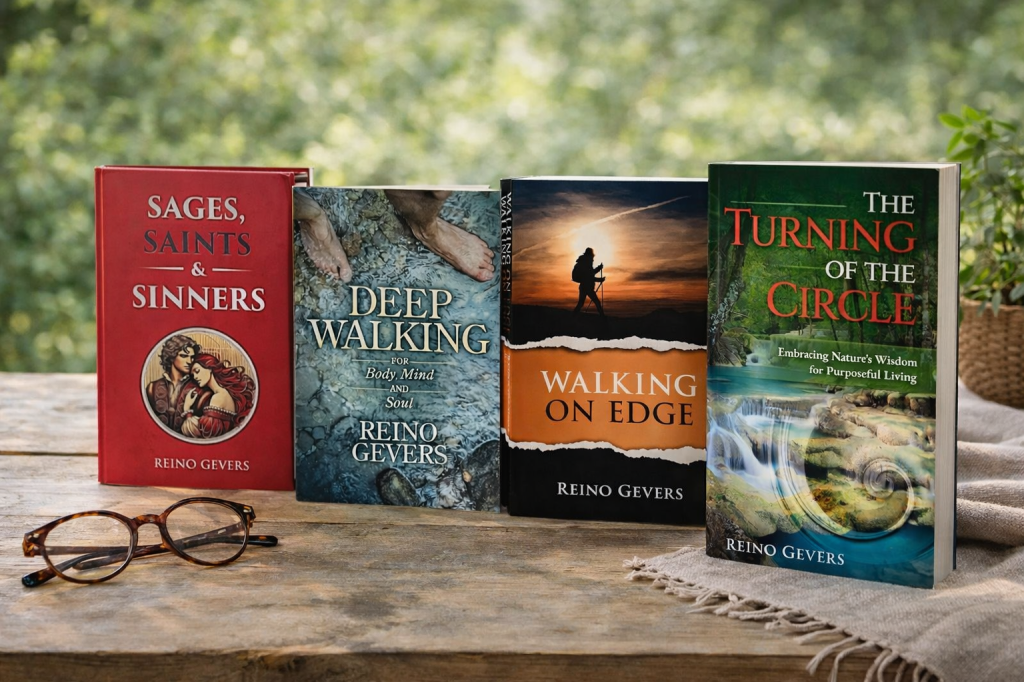
In Sages, Saints and Sinners, I return to a question that refuses to stay buried: what becomes of us when certainty collapses? When the structures we trusted—faith, order, meaning—no longer hold, who do we become? Set against the desolation of the 14th-century plague, a time when vast stretches of Europe fell silent and entire communities vanished, the novel steps into that rupture. It is not only a story of loss, but of what emerges in its wake—of the fragile, defiant ways human beings rediscover courage, meaning, and even love when everything familiar has been stripped away.

Some retreat into despair. Others are in denial. But there is a third path, rarer and more demanding—the transmutation of fear into courage, and anxiety into love.

Puig de Maria stands as a physical manifestation of that third path.

The people who built it were not free of fear. They were defined by it. And yet, instead of allowing fear to contract their world, they expanded it vertically. They climbed. They carried stone up a mountain in the midst of plague, and in doing so, enacted a radical defiance: fear would not have the final word.

There is a discipline in the refusal to be mentally captured by catastrophe.

The monastery that emerged—first a chapel, then a place of ongoing devotion—became more than a sanctuary. It became a container. Within its walls, fear was transformed. Ritual, prayer, and community gave structure to what would otherwise have been overwhelming. The unknown was met not with paralysis, but with presence.

This is the essence of transmutation. Not the removal of darkness, but its reworking into something that can sustain life.

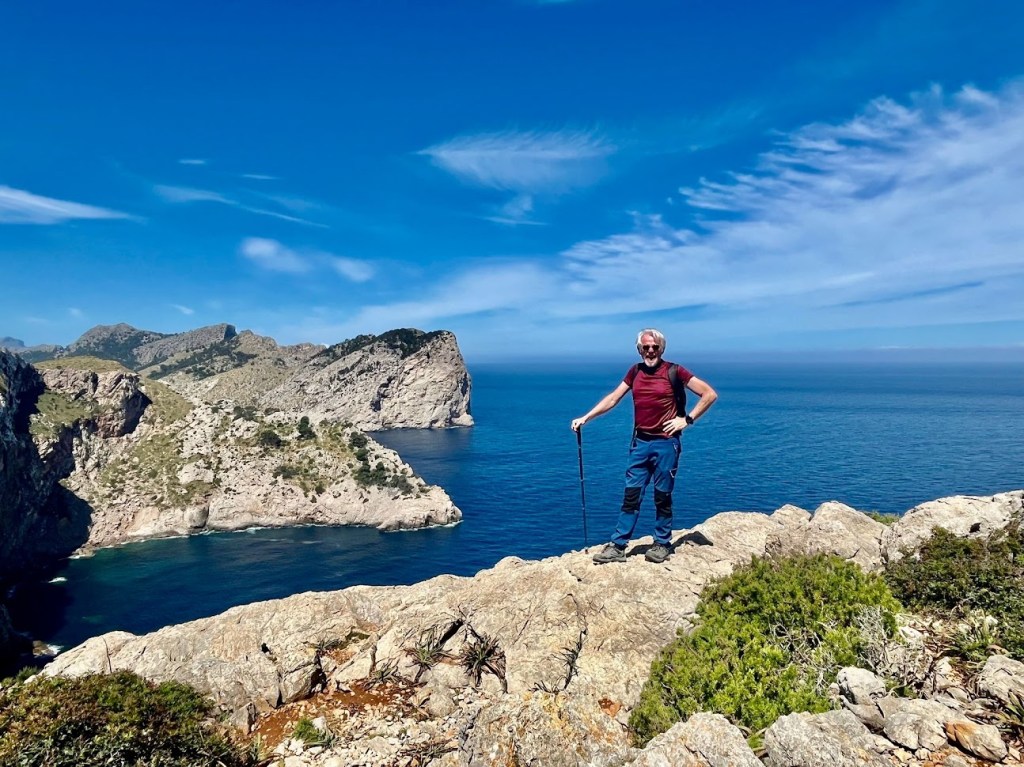
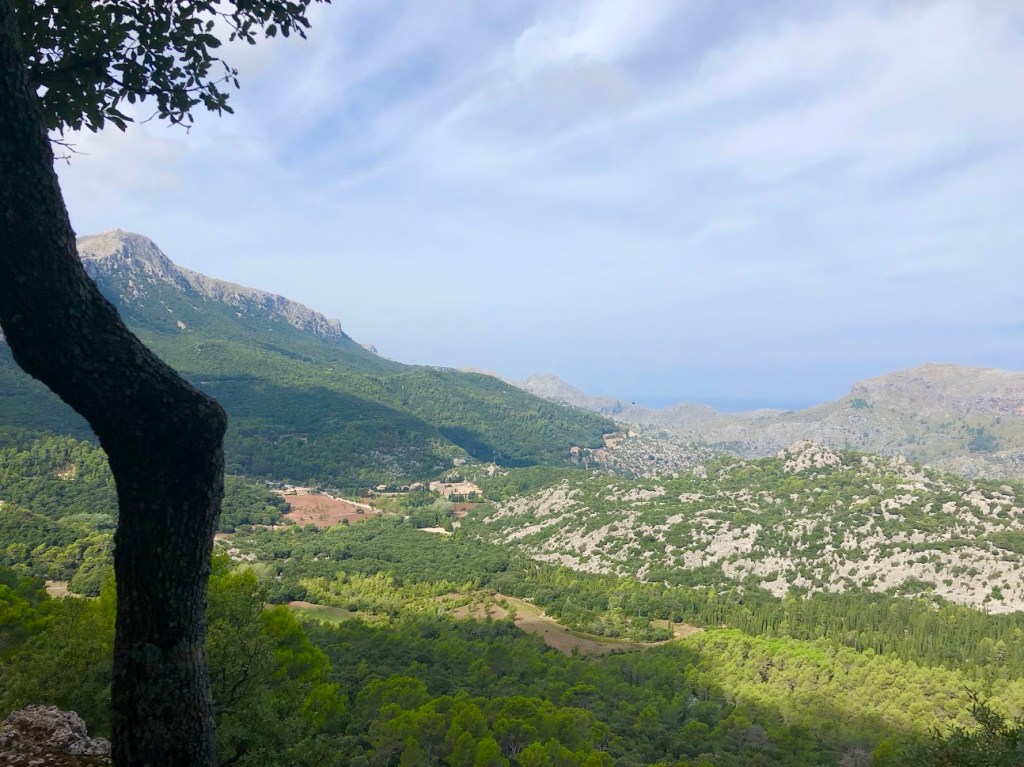
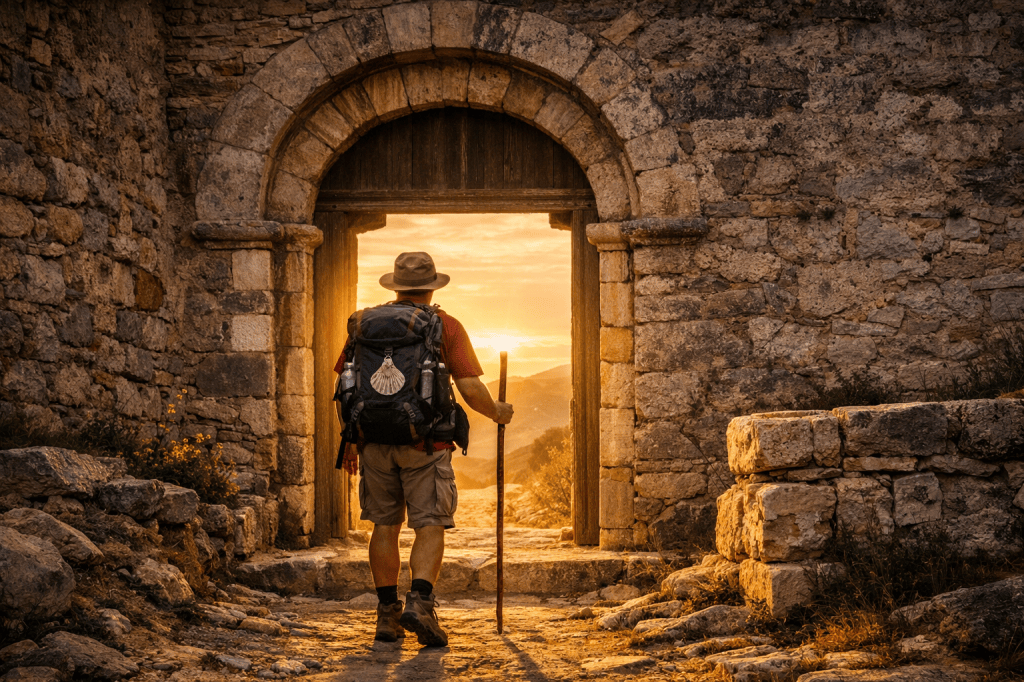
Walking up to Puig de Maria today, the path winds in steady, deliberate curves. It is not a punishing climb, but it demands attention. There is a rhythm to it—step, breath, step—that mirrors something older than the path itself. Pilgrimage is never only about arrival. It is about what is shed along the way.

Halfway up, the town below begins to recede. Perspective shifts. What felt immediate loosens its grip. By the time you reach the summit, something subtle but unmistakable has occurred: distance has been created, not just physically, but internally.

This is the overlooked power of sacred geography. It externalises an inner movement.

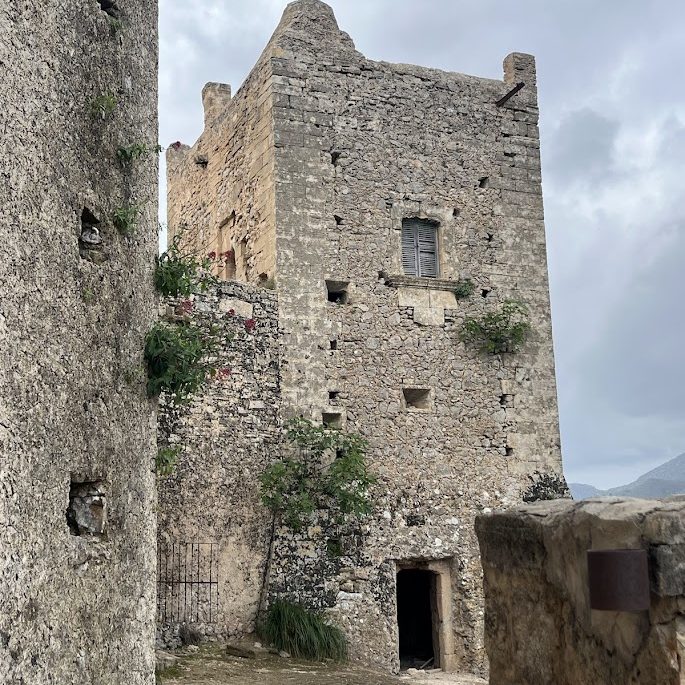
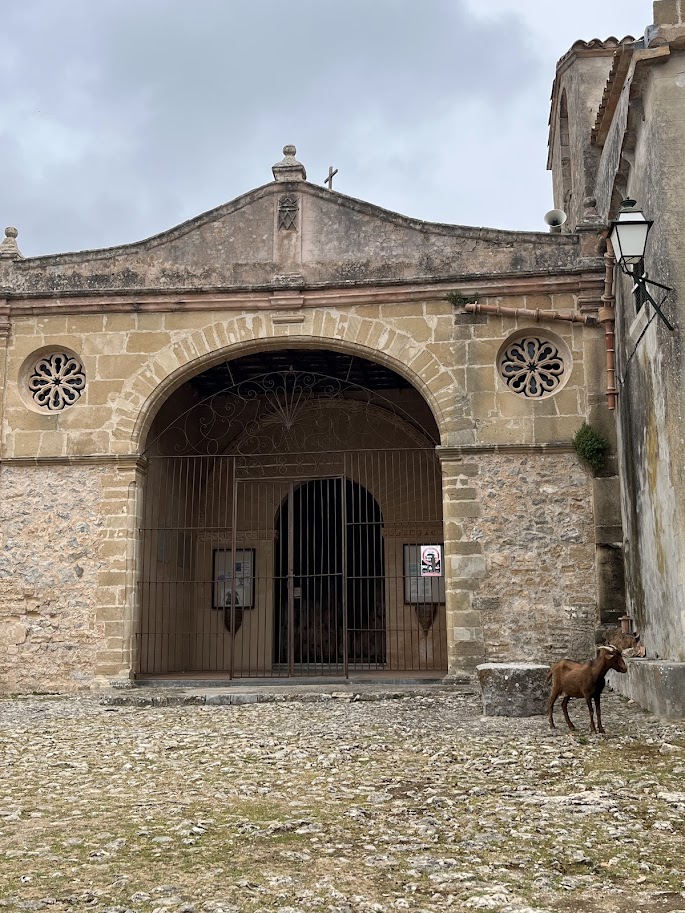
At the top, the monastery remains austere. A tower and thick walls. A chapel that holds silence rather than spectacle. There is no excess here, no attempt to impress. It was never meant for comfort in the modern sense. It was meant for clarity.

And clarity, in times of crisis, is everything.

In our own age, fear has taken on different forms, but its structure remains familiar. Uncertainty, fragmentation, and a sense that the ground is less stable than we were led to believe. The temptation is the same as it was in the 14th century: to collapse inward, to narrow, to protect.

But Puig de Maria offers another template.

Climb.

Not away from reality, but toward a broader vantage point. Build—not necessarily in stone, but in practice—structures that can hold anxiety without being defined by it. Create spaces, inner and outer, where fear can be acknowledged, but not enthroned.

The plague did not end because a monastery was built. Suffering was not avoided. But meaning was forged in the midst of it.

And meaning is what allows endurance to become transformation.

In Sages, Saints and Sinners, the figures who endure are not those who escape fear, but those who metabolise it. They refuse its finality. They insist, against all evidence, that love and courage remain alive.

Puig de Maria asks a question that is as relevant now as it was then:

When fear rises, will you descend into it—or will you climb?

Reino Gevers – Host of the LivingToBe podcast

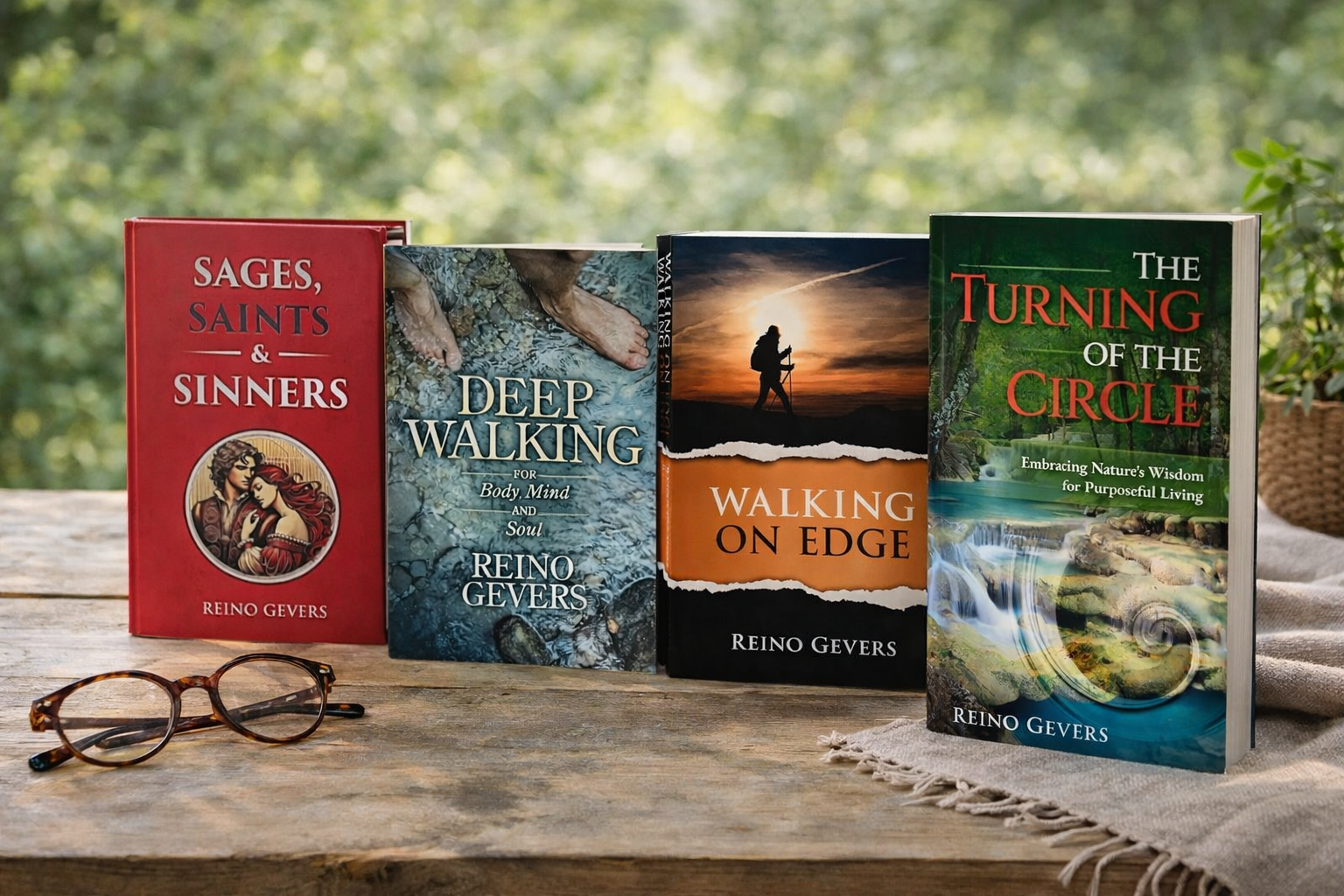
P.S: If you enjoyed this article you might be interested in reading: Sages, Saints and Sinners Get it today on Amazon, Barnes & Noble and where all good books are sold.
Leave a comment

Filed under Pilgrimage, psychology, spirituality

The Hidden Costs of Rural Decline

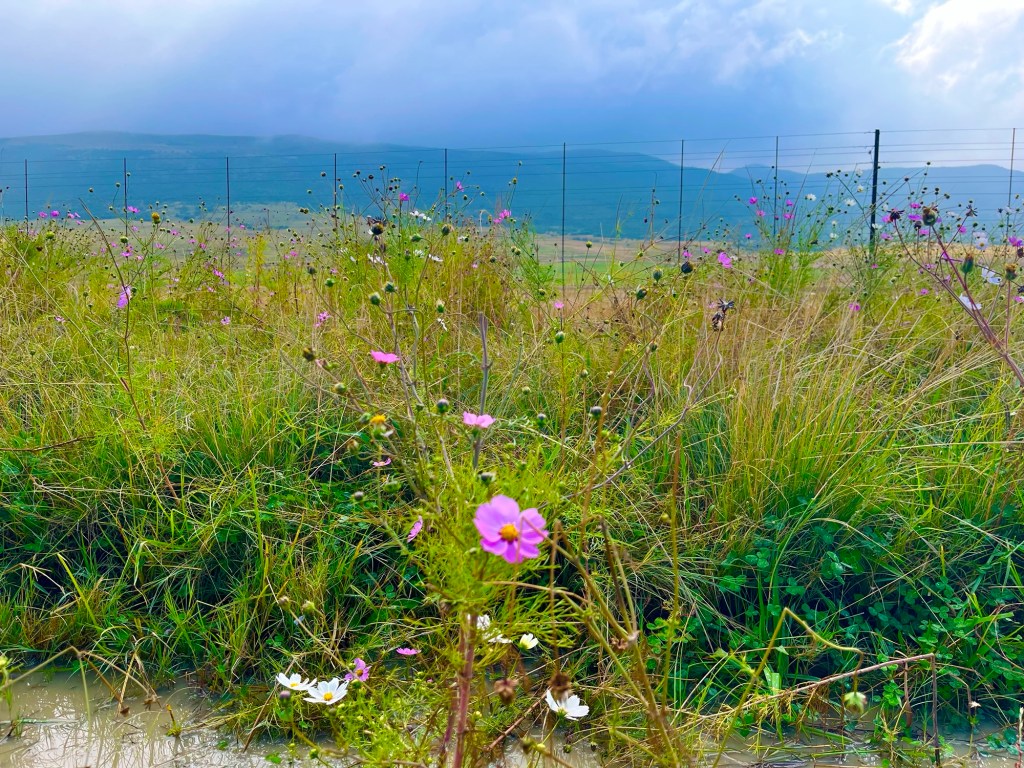
I recently drove through rural South Africa on my way to a school reunion—one of those rare gatherings where time folds in on itself and five decades seem like yesterday. The landscape should have been familiar: wide horizons, scattered farmsteads, towns that once pulsed with industry. But what struck me most was not recognition—it was absence.

Roads pitted with potholes slowed the journey, but it was the towns that told the deeper story. Buildings sagged under neglect. Shopfronts stood empty or half-occupied. Once pristine and well-kept, towns seemed to have been abandoned to time. This was not just decay. It was a withdrawal. A slow draining away of people, energy, and purpose.

In my hometown of Dundee in KwaZulu-Natal alone, the closure of a sweets factory, a glass plant, and several coal mines has, over the years, stripped away thousands of jobs. At the reunion, I learned that the impact reached even further: a steelworks in the neighbouring town of Newcastle had also shut down, costing another 3,000 livelihoods.

And this is not a uniquely South African story.

Across the United States, the United Kingdom, Spain, and Germany, I have witnessed similar patterns unfold. Rural communities hollow out as younger generations leave in search of education, employment, and opportunity in cities. What remains are aging populations, shrinking tax bases, and a fraying social fabric. The causes are well documented—economic centralization, mechanization of agriculture, the pull of urban opportunity—but the consequences run deeper than statistics.

Dislocation Without Language

For those who leave, the move to the city often brings material improvement: better jobs, better services, broader networks. But something less tangible is lost.

Rural life, at its best, offers continuity. It binds identity to place. You are not just an individual; you are someone’s neighbor, someone’s history, part of a shared narrative that stretches across generations. When people leave, that continuity fractures.

In cities, identity becomes more fluid—but also more fragile. Relationships are often transactional, time-bound, and contingent. Community must be constructed rather than inherited. For many, this produces a subtle but persistent sense of dislocation: a feeling of being nowhere in particular.

The question then arises: are people happier?

The answer is not straightforward. Urban environments tend to score higher on measures of economic well-being and access to services. But they also correlate with higher levels of loneliness, anxiety, and social isolation. Rural areas, despite economic hardship, often report stronger social cohesion and a greater sense of belonging—at least where communities remain intact.

So the trade-off is not simply between poverty and prosperity. It is between different forms of wealth—material and relational.

The Social Cost

When rural areas decline, society loses more than population density. It loses balance.

Healthy societies depend on a diversity of spaces: urban centers of innovation, suburban zones of stability, and rural regions that anchor culture, tradition, and food production. When one of these weakens, the system becomes distorted.

Depopulated rural areas often enter a downward spiral. As people leave, services close—schools, clinics, shops. This, in turn, makes the area less viable for those who remain, accelerating further out-migration. Political attention shifts elsewhere. Infrastructure deteriorates. Eventually, these regions become peripheral not just geographically, but economically and politically.

This has consequences for social cohesion. When large segments of the population feel left behind, trust erodes—both in institutions and in the broader social contract. The divide between “somewhere” and “anywhere” populations widens: those rooted in place versus those who are mobile and globally connected. This divide increasingly shapes political outcomes across many countries.

The Cultural Loss: Memory Without Custodians

Rural communities are not just economic units; they are repositories of memory.

They carry dialects, customs, ways of life that cannot be easily transplanted into urban settings. When these communities empty out, cultural knowledge dissipates. Traditions survive as fragments—revived occasionally for tourism or nostalgia—but lose their lived context.

What disappears is not just heritage, but a particular way of understanding the world: slower, more cyclical, more attuned to land and season. In its place emerges a more standardized, globalized culture—efficient, connected, but often detached.

Can the Trend Be Reversed?

There are attempts—some promising, many insufficient.

Remote work has reopened the possibility of living outside cities, at least for certain professions. Targeted investment in infrastructure—digital connectivity, transport, healthcare—can make rural areas viable again. Policies that support local enterprise, sustainable agriculture, and decentralized energy systems can stabilize regional economies.

More fundamentally, the question is one of value: what do we, as societies, choose to preserve?

If rural areas are seen merely as economically inefficient, their decline will continue. If, however, they are recognized as essential to social resilience, cultural continuity, and even psychological well-being, then their renewal becomes a strategic priority rather than a sentimental one.

Returning, Briefly

At the reunion, conversations drifted—as they always do—between memory and present reality. Some had stayed. Many have scattered to all parts of the world. Each carried a different version of the same story.

Driving back, the landscape remained unchanged. But the question lingered:

What happens to a society when its margins begin to disappear?

Not all decline is reversible. But not all loss is inevitable either.

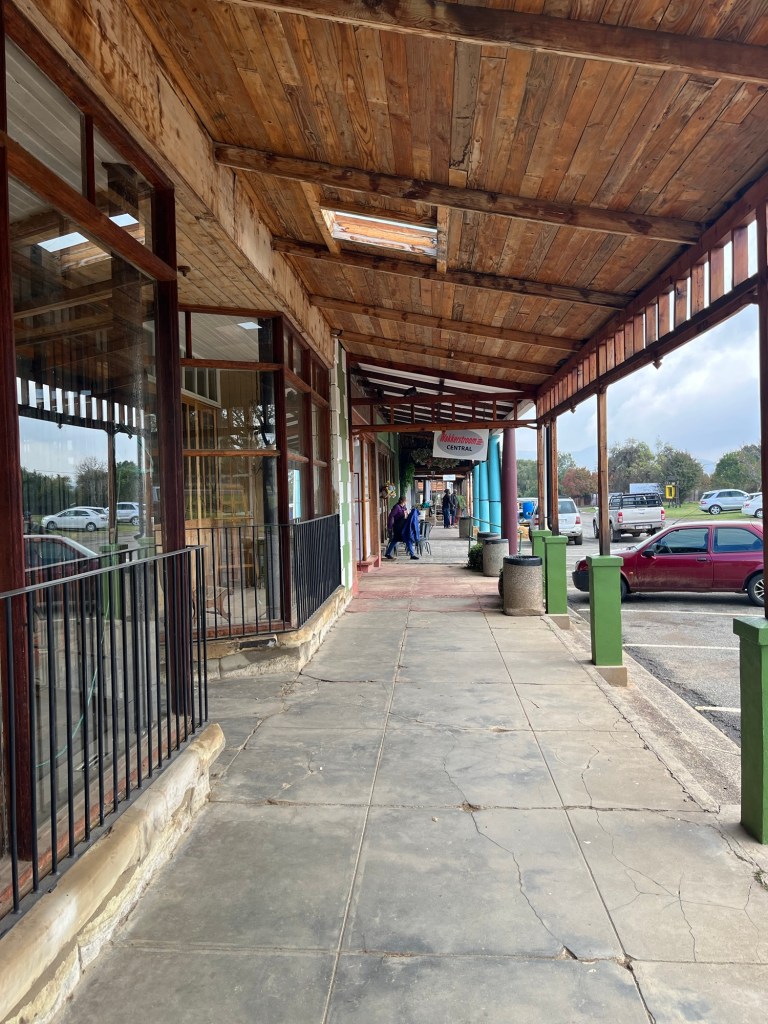
A welcome spark of hope on my return journey came with a stop in the village of Wakkerstroom. This rural gem has been thoughtfully revived: old homes and shopfronts carefully restored, now housing curios, excellent local food, and gateways to nature. It has become a magnet for artists and for those seeking a return to the sanctuary and sense of community that rural life can still offer.

Wakkerstroom
Rural KwaZulu Natal

The condition of rural places is not just a reflection of economic trends—it is a mirror. It shows us what we prioritize, what we neglect, and ultimately, what we are willing to let go.

And perhaps the more uncomfortable question is this:

In our pursuit of better opportunities, have we mistaken movement for progress—and in doing so, lost something we do not yet know how to measure?

Reino Gevers – Host of the LivingToBe podcast

P.S: If you enjoyed this article you might be interested in reading: Sages, Saints and Sinners Get it today on Amazon, Barnes & Noble and where all good books are sold.
Leave a comment

Filed under happiness, happiness research, mental health

Finding Wisdom Through Complexity

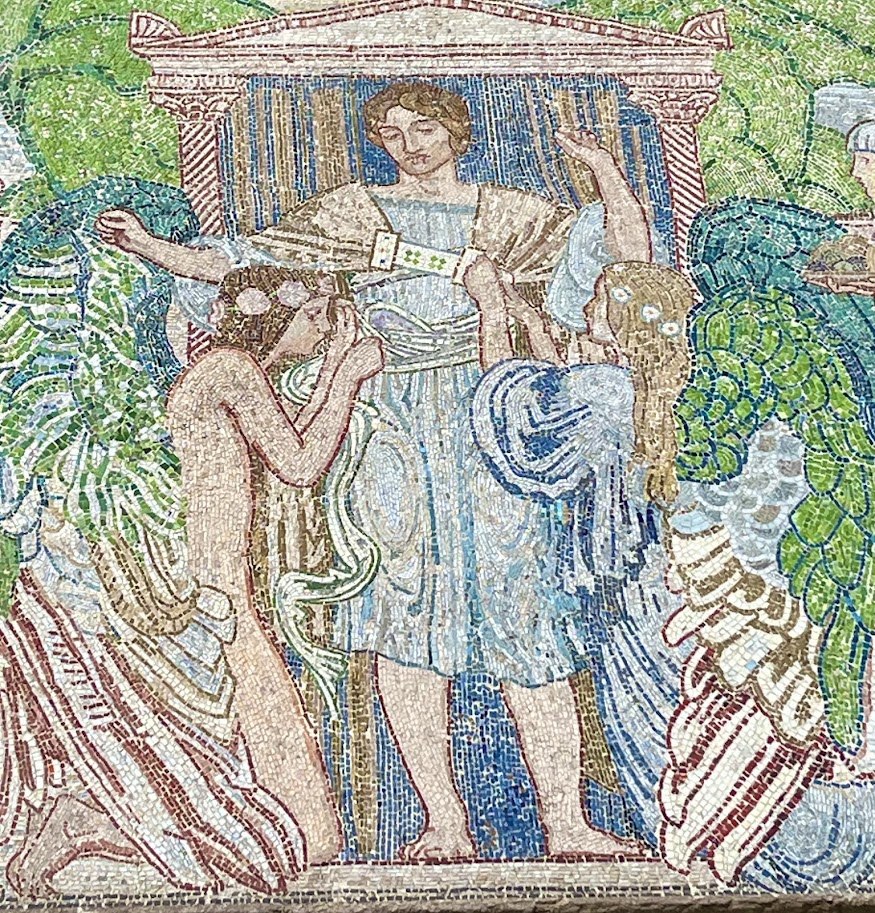
On a recent visit to the Horniman Museum and Gardens in London, I found myself pausing at the entrance. Set into the façade is a compelling mosaic, almost easy to overlook. Created by Robert Anning Bell at the turn of the twentieth century, it feels less like decoration and more like a question posed across time. Its message lands with particular force in a world where volume substitutes for depth, where opinions harden into slogans, and identities calcify into positions that leave little room for movement.

In Humanity in the House of Circumstance, a central figure—Humanity —is gently attended by Love and Hope. Standing before it, I was struck by how quietly subversive this image is. It does not present us as self-made or self-sufficient, but as shaped—formed in relationship, in dependence, in the interplay between our inner lives and the limits that surround us.

And yet, the instinct is to simplify and to reach for fixed categories. What feels unfamiliar, unsettling, or threatening is quickly reduced, flattened into binaries: for or against, right or wrong, aligned or opposed. In doing so, something essential is lost.

Nuance in such a climate is perceived as weakness and the inability to “take a stand.” Yet, in truth, nuance is a deeper form of strength and wisdom.

To hold nuance is to allow multiple perspectives to coexist within the mind without rushing to premature judgment. It is the discipline of pausing before concluding, of listening not just to respond but to understand. Where dogmatism seeks closure, nuance remains open—curious, attentive, and alive to the subtleties of reality.

Humanity tended by Love and Hope

Rigid thinking serves psychological needs:

  • Certainty offers comfort. The world feels unpredictable and filled with contradictions. Dogmatic beliefs simplify this chaos into something manageable. They provide a sense of control, even when that control is illusory.
  • Identity and Ego play a powerful role. Beliefs are often tied to who you believe yourself to be, rooted in culture, community, or personal history. To question those beliefs can feel like questioning who you are. Dogmatism becomes a form of self-protection.
  • There is a social reward. Strong, uncompromising opinions are amplified on social media. Nuanced thinking, by contrast, appears hesitant or indecisive and doesn’t translate into viral soundbites.

Something essential is lost when we abandon nuance.

To think with nuance is not to drift aimlessly between opinions. It is an active, often demanding process. It requires intellectual humility and the recognition that your understanding is always a partial perspective. No matter how informed you are, there will always be an angle you have not considered.

When you allow conflicting ideas into your awareness, you may feel tension, even discomfort. Dogmatism relieves that tension quickly by choosing a side. Nuance asks you to stay with it longer, to let the mind stretch rather than snap into certainty.

It also requires empathy. To truly weigh different perspectives, you must enter into the worldview of others. This does not mean agreement. It means understanding the logic, the fears, and the hopes that shape another position.

Nuance as a Path to Wisdom

Wisdom is not the accumulation of facts alone, but the ability to discern, to contextualize, and to integrate. Nuance is its foundation.

Consider any complex issue—whether personal, political, or spiritual. Beneath the surface, there are layers: historical context, emotional undercurrents, competing values, and unintended consequences. Dogmatic thinking tends to isolate one layer and elevate it above all others. Nuance, by contrast, seeks to see the whole.

This does not lead to paralysis. On the contrary, decisions made with nuance are often more grounded and enduring. They are less reactive, less driven by fear or tribal loyalty, and more aligned with a deeper understanding of reality.

The Courage to Resist Simplicity

It requires courage in resisting the pull of simplicity. It is easier to adopt a ready-made belief than to wrestle with complexity. Easier to echo the consensus of one’s group than to risk standing in a more ambiguous space.

In a world that grows louder and more polarized, the practice of nuance becomes not just a personal virtue, but a social necessity. It creates space for dialogue where there would otherwise be division. It invites curiosity where there might be judgment. It allows us to meet one another not as adversaries, but as participants in a shared search for understanding.

Returning to a Deeper Way of Seeing

At its heart, nuance is an act of respect for complexity, for truth, and for the dignity of perspectives that differ from your own. It requires you to slow down when the world urges you to run, to listen when you are tempted to react, and to think with care rather than certainty.

Standing before Humanity in the House of Circumstance at the Horniman Museum and Gardens, this feels less like an abstract ideal and more like an invitation. The mosaic does not resolve the tensions of life; it holds them. It is a powerful reminder that we are shaped not only by what we believe, but by how we remain open to Love, to Hope, and to the limits within which we live.

Reino Gevers – Host of the LivingToBe podcast

P.S: If you enjoyed this article you might be interested in reading: Sages, Saints and Sinners Get it today on Amazon, Barnes & Noble and where all good books are sold.

Leave a comment

Filed under happiness, mental health, psychology

Free Trade vs. Protectionism: Lessons from History

Humans are inherently wired for connection and cooperation. Our mental, emotional, and even physical health depends on it. Prolonged isolation, whether personal or collective, challenges our capacity to thrive. When nations retreat into isolationist protectionism, they may gain short-term relief but risk long-term stagnation, weakened innovation, and social fragmentation.

Historically isolationist economic policies leads to stagnation, inefficiency, and missed opportunities. One of the best examples of a nation falling behind in naval, military, and industrial technology was the Chinese Ming and Qing dynasties of the 14th century. Fearing foreign influence and cultural impurity, the rulers severely restricted trade, costing China its competitive edge for centuries.

Industries become bloated and inefficient under protectionism

Post-independence, India adopted a protectionist, centrally planned economy. Foreign goods and investment were restricted, and most industries heavily regulated. The result: industries became bloated and inefficient. India nearly defaulted on its debt in 1991 and was forced to liberalize its economy.

Throughout history, we can find countless examples of nations thriving when they get together to form a common economic space, standardize rules and break down commercial barriers.

The success story of Hanseatic League of medieval merchant cities

The Hanseatic League (from the 13th to 17th century) was a confederation of merchant towns that collaborated for mutual benefit, and in many ways was a precursor to the European Union. Located along the North Sea and Baltic sea routes cities like Hamburg, Bremen, Lübeck, Danzig created an economic powerhouse based on shared interests, smart geopolitics, and commercial innovation.

The European Union stands as a remarkable testament to the power of unity, bringing together nations like France and Germany, once bitter enemies in centuries of war, into a partnership of peace and collaboration.

Countries once marked by poverty, such as Spain and Portugal, along with former Soviet Bloc nations like the Czech Republic, Poland, the Baltic states, and Romania, have found profound benefits in their EU membership—economically, politically, and socially. The EU has not only transformed these nations but has also reshaped the very idea of cooperation, showing how shared purpose can overcome history’s deepest divisions.

The notion that free trade is beneficial for all was first mooted by David Ricardo, a 19th-century British political economist. Ricardo introduced in 1817 the theory of comparative advantage in his book “On the Principles of Political Economy and Taxation.” His idea was that even if one country is more efficient at producing all goods than another country, both can still benefit from trade if they specialize in the goods they produce relatively more efficiently.

Factories in Bangladesh, Vietnam or China can for instance produce clothing much cheaper than in the United States, Canada or Europe. Consumers in these countries again can buy such imported clothing at a much cheaper price than if they were produced at home.

Key Points of Ricardo’s Concept:

  • Comparative advantage (not absolute advantage) determines what a country should specialize in.
  • By each country focusing on producing goods where they have the lowest opportunity cost, total global production increases.
  • Then, through trade, all countries can consume more than they could in isolation.

Before Ricardo, Adam Smith had also praised free trade in his 1776 book “The Wealth of Nations,” arguing for absolute advantage—that countries should produce what they’re best at. But Ricardo’s theory was more powerful because it showed how even less efficient countries can benefit from trade.

Open markets push companies to innovate or die. Exposure to international competition fosters dynamic economies and technological advancement. Countries that trade together are less likely to go to war with trade interdependence promoting diplomatic ties and global stability. Free trade has lifted millions of people out of poverty especially in east Asia.

Most economists agree that tariffs or quotas should only be used selectively such as protecting key sectors during economic transitions. Free trade should also include safety nets such as retraining programs and unemployment benefits.

Brexit is one of the most compelling modern case studies on free trade vs. protectionism, and more broadly, economic integration vs. sovereignty. The United Kingdom (UK) was a member of the European Union from 1973 until 2020. It decided to leave the EU, known as “Brexit” following a referendum in 2016. The populist call for protectionism and sovereignty gained more traction than rational economic arguments. Economists and analysts at Cambridge Econometrics found that, by 2035, the UK will be 311 billion pounds worse off and is anticipated to have three million fewer jobs. Other estimates put the annual loss in GDP at four per cent annually.

In summary, at the micro level, individuals who come together in a community experience greater mental and physical well-being. Human connection fosters resilience, purpose, and meaning. At the macro level, nations that cultivate shared values, mutual cooperation, and strategic alliances lay the foundation for lasting prosperity and peace. Connection is based on trust and courage. Isolationism however is marked by fear, divisive tribalism, and conflict.

Reino Gevers – Author – Mentor –Speaker

If you enjoyed this article you might be interested in my latest book: Sages, Saints and Sinners to be launched globally on April 8th, 2025.

Leave a comment

Filed under connection, contentment, extremism, happiness, happiness research

Sages, Saints and Sinners

In a life-threatening global crisis, individuals are compelled to either dig deep into their inner light or succumb to their darkest shadows. This is the central theme of my upcoming book, “Sages, Saints, and Sinners,” set against the harrowing backdrop of the Black Plague, which nearly decimated the entire population of Europe in the 14th century.

Here are two contrasting excerpts:

“Amidst the stark contrast of tragedy, mortality, and chaos, beauty revealed itself in heightened clarity and depth.

A keen awareness of life’s fleeting nature permeated his being, igniting an inner yearning to embrace existence with unwavering intensity.

 He savored the earth’s pulsating rhythm beneath his feet, marveling at the majestic dance of birds of prey overhead, the delicate shimmer of sunlight on swaying blades of grass, and the harmonious symphony of nature’s myriad voices. The beauty of creation eluded possession, transcending mere ownership to encompass a profound perspective that infused every facet of existence.”

Photo by Samrat Maharjan on Pexels.com

…”Nuns and monks offered simple herbal remedies and prayers, reading from the sacraments or taking confessions from the dying.

Simple pallets with straw served as beds with local volunteers supplying food and taking away the bodies of the dead in donkey carts to be buried in a cemetery nearby.

Isabel frequently conferred with Brother Thomas on researching the possible cause of the pestilence, refusing to believe that it was an act of God.

What better place to be than the monastery where some of Europe’s best theologians, astronomers, mathematicians, and doctors were at work.

“God has blessed us with intellect and a mind to ponder. Do we not ascend through every trial, gathering wisdom along the journey?” remarked Brother Thomas.

I’ve been working on this book project for the past two years and I’m now working on the final draft. The message I want to put out there with this novel is that even in dire situations of hopelessness, life is transitory.

It is in times of difficulty, in the pain, in the suffering that consciousness can either be elevated to its highest levels or succumb to the lowest vibrational levels of toxic emotions marked by procrastination, fear, and rage.

Reino Gevers – Author – Mentor – Speaker

P.S. I’m excited to announce the release of my latest book, “The Turning of the Circle: Embracing Nature’s Wisdom for Purposeful Living.” If you enjoy it, you might also be interested in my previous works, “Deep Walking for Body, Mind and Soul” and “Walking on Edge: A Pilgrimage to Santiago.” You can find all of these titles at reputable bookstores near you.

Leave a comment

Filed under spirituality

Transitioning the winter seasons of life

Approaching the winter solstice in the northern hemisphere, we find ourselves amidst the longest, darkest, and coldest nights. Likewise, the human experience encounters its winters – stages in life marked by desolation, loss, and lack of purpose. Yet, within these seemingly barren chapters of life, a profound opportunity for introspection arises.

Much like the dormant earth cultivating the potential for rebirth beneath its frozen surface, our personal winters serve as a crucible for critical self-reflection, sowing the seeds of renewal and elevation of consciousness.

Photo by Pixabay on Pexels.com

Loss, disappointment, and regret come from cause and effect. Something was avoided, or not done during the previous seasons. Going into the blame game by attributing your situation entirely to external circumstances is the procrastination trap.

The blame game inevitably leads to a vicious cycle of wallowing in self-pity that makes everyone around you want to run. Seizing the opportunity in a “flat on the ground” situation is accepting responsibility, redefining purpose, and fine-tuning wisdom and knowledge.

The winter of life makes you resilient in accepting the impermanence of any given state. Life is a never-ending cycle of birth and rebirth, night and day, recuperation and active engagement. Winter is a time to reconnect to the root ancestral energy embedded within. There are several ways of how to build resilience during the winter season:

The law of nature demands rest and recuperation

The body needs at least seven to eight hours of sleep for a healthy immune system. A power nap of 10 to 15 minutes during the low-energy afternoon period of the day will work wonders to boost your mental and physical performance.

Exercise: All pelvic floor exercises that strengthen the bladder and kidney. The bladder has the longest meridian in the body on either side of the spinal cord. The kidney meridian starts at the base of the foot. Typical yoga poses are the cat, boat, and big toe poses. All basic Taiji movements are excellent

Nutrition: Drink lots of good water. Start your day by boiling half a lemon for five minutes just after rising from bed to boost hydration. The lemon peel contains numerous nutrients and enzymes, including Vitamin C. A salty taste is typical for the water element and crucial for kidney balance. But table salt should be avoided as much as possible as it weakens the body. Use natural sea and Himalayan salts with a high mineral content. Typical water-element foods are asparagus, beets, black rice, kelp, wakame, blackberries, blueberries, black grapes, watermelon, scallops, oysters, and mussels.

Breathing

One of the simplest and most natural ways of reducing your stress level is by simply thinking about how you’re breathing.

Inhaling and exhaling naturally through the nose is what you should be doing. As you inhale, the nose warms and moisturizes the air. Your nose releases nitric oxide, which widens the blood vessels, allowing for better transportation of oxygen to vital organs. Your breathing will be deeper and slower, increasing the volume of your lungs and diaphragm.

Elevating your stress resilience becomes a powerful force shaping not only your response mechanisms but also your ability to navigate the winters of life.

How you cultivate self-love intricately weaves into the fabric of all your relationships and how you relate to events in the external world. It’s crucial to distinguish genuine self-nurturing behavior from the misconceived notion of narcissism, which darkens the purity of self-love. The unraveling of harmony often begins with a detachment from the authentic self when you are pulled into the abyss of external distractions.

With a modest investment of effort, you can position yourself far better to weather turbulent times, enabling you to make better decisions with a tranquil mindset. This shift not only empowers you to weather the storm but also to emerge from it all the wiser.

Reino Gevers – Author – Mentor – Speaker

P.S. I’m excited to announce the release of my latest book, “The Turning of the Circle: Embracing Nature’s Wisdom for Purposeful Living.” If you enjoy it, you might also be interested in my previous works, “Deep Walking for Body, Mind and Soul” and “Walking on Edge: A Pilgrimage to Santiago.” You can find all of these titles at reputable bookstores near you.

Leave a comment

Filed under mental health, mental-health, self-development

One world One consciousness

Nelson Mandela once reflected that one of the most difficult things is not to change society but to change yourself.

I’ve given much thought these days on why my home country South Africa is falling apart.

Fortunately, Mandela was spared from witnessing the complete erosion of moral integrity among his successors. Essential components of infrastructure, including harbors, roads, railways, hospitals, schools, and electricity supply, are deteriorating due to incompetence, crime, and corruption.

A government-funded food scheme, which feeds over 9 million schoolchildren countrywide of which the majority come from poor households, has been thrown into disarray by funds gone missing. Transparency International‘s 2022 Corruption Perceptions Index scored South Africa at 43 on a scale from 0 (“highly corrupt”) to 100 (“very clean”). 

Present-day leaders, ensconced in a cocoon of privilege sustained by nepotism and political favoritism, adamantly deny accountability for their shortcomings. Astonishingly, they continue to attribute their catastrophic failures to a regime ousted from power three decades ago.

It appears that they are replicating the very behavior they once decried, abandoning the principles they once championed. Instead of serving society, they exploit their positions for personal gratification, echoing the very actions of those they once decried as the enemy.

Meanwhile, America and many other Western democracies are being torn apart by divisiveness, and political extremism.

Photo by Pixabay on Pexels.com

What is happening?

The political landscape serves as a mirror reflecting the intricacies of society and individual behavior. Regardless of the adversities presented by the external world, the onus lies squarely on every individual for their response, attitude, actions, and overall sense of happiness.

In my latest Living to BE podcast, Scott White tells of his mission in planting one seed of positivity at a time. Every good day can be made into an even better day by changing the perspective with the antidote of gratitude, kindness, and self-deprecating humor.

How many of us are stuck in regret, pain, hurt, and anger toward an ex-partner, parent, employer, or neighbor.

When unaware it‘s easy to be pulled into the maelstrom of the same fear and anger you are exposed to.

Grievance culture complains about everything from the weather to the postman coming late. It is the lowest vibrational energy that feeds on scarcity, limitation, and neediness.

Even the best solution you offer to these people is met with a „but…“, „that will never work“ or „can‘t do that.“

You literally feel the energy sucked out of you as they go into their rant, making everyone else responsible for their misery.

When a person radiating on a high vibrational frequency enters a room, a transformative shift occurs. You sense your own energy expanding, drawn by a magnetic power that not only inspires but also generates positive change. This influence becomes the defining factor between fear and courage, scarcity and abundance, love versus hate, and kindness prevailing over moody grumpiness.

From this elevated plane of consciousness emerges creativity, inspiration, and confidence. It is from this heightened state that even the most entrenched problems of humanity can find solutions.

There are no shortcuts to the inner work.

Cutting through the veil of adversity, toxic emotions and the monkey mind of dancing thoughts is the spiritual exercise, the gateway to happiness.

Quoting the spiritual teacher Ram Dass:

„One consciousness. That is the way the world could right itself. Start with your peace, your love. your compassion, and go from there … walk each other home.“

Reino Gevers – Author – Mentor – Speaker

P.S. I’m excited to announce the release of my latest book, “The Turning of the Circle: Embracing Nature’s Wisdom for Purposeful Living.” If you enjoy it, you might also be interested in my previous works, “Deep Walking for Body, Mind and Soul” and “Walking on Edge: A Pilgrimage to Santiago.” You can find all of these titles at reputable bookstores near you.

Leave a comment

Filed under mental health, mental-health, psychology, Uncategorized