Can we learn from history to restore our shattered ecosystems? This is the compelling question Sophie Yeo explores in her book Nature’s Ghosts.
Humanity has been reshaping the natural world ever since the transition from hunter-gatherer societies to agriculture, some 10,000 years ago. Forests were cleared, wetlands drained and landscapes transformed to make room for crops and permanent settlements.
What began as a gradual reshaping of our surroundings has, over millennia, evolved into an unprecedented disruption of the delicate ecosystems on which all life depends. Yet history may hold valuable clues to how we can begin to repair the damage and restore a more harmonious relationship with the natural world.
Before the agricultural revolution, human communities generally lived much closer to the rhythms of nature. Their relationship with the environment was one of immediate dependence, interaction and, in many cases, reverence. Even until relatively recent times, cultures across the world regarded trees, rivers and mountains not simply as resources but as living presences, deserving of respect and sometimes even worship.
There was an understanding, deeply embedded in many traditional belief systems, that humanity was not separate from nature but belonged to a much larger web of life.
The Earth’s climate, as Yeo’s research reminds us, has always undergone dramatic changes. Species have disappeared, others have adapted, and entire ecosystems have been transformed in response to shifting conditions. But never before has human activity altered the natural world on such an extensive scale and at such speed. The burning of fossil fuels is accelerating climate change, while plastics, nuclear waste, pesticides and countless other pollutants will remain in the environment for generations, in some cases for thousands of years.
This raises a fundamental question: why are we destroying the very environment on which our survival depends?
One explanation Yeo explores is our growing estrangement from nature. Rapid urbanisation and the transformation of modern lifestyles have gradually distanced us from the natural world. For many people, nature has become something outside ourselves: a landscape to visit, a resource to exploit or an amenity to enjoy in our leisure time. We have lost something of the awareness that we are part of nature, not separate from it.
I would take this argument a step further and describe it as a spiritual disconnect.
For me, nature is an expression of the divine. Not necessarily in a religious or institutional sense, but as an experience of something greater than ourselves: the mysterious intelligence, interconnectedness, and creative force that permeates all living things. A tree growing towards the light, the intricate balance of an ecosystem, the changing seasons or the quiet persistence of life itself can all evoke a sense of wonder and belonging.
When we begin to see ourselves as part of this larger whole, our relationship with the natural world changes. It also changes our relationship with ourselves. Self-love and self-expression acquire a different meaning when we recognise that we are not isolated individuals, but expressions of the same living world. Caring for ourselves and caring for nature are no longer separate concerns. Both become ways of honouring life.
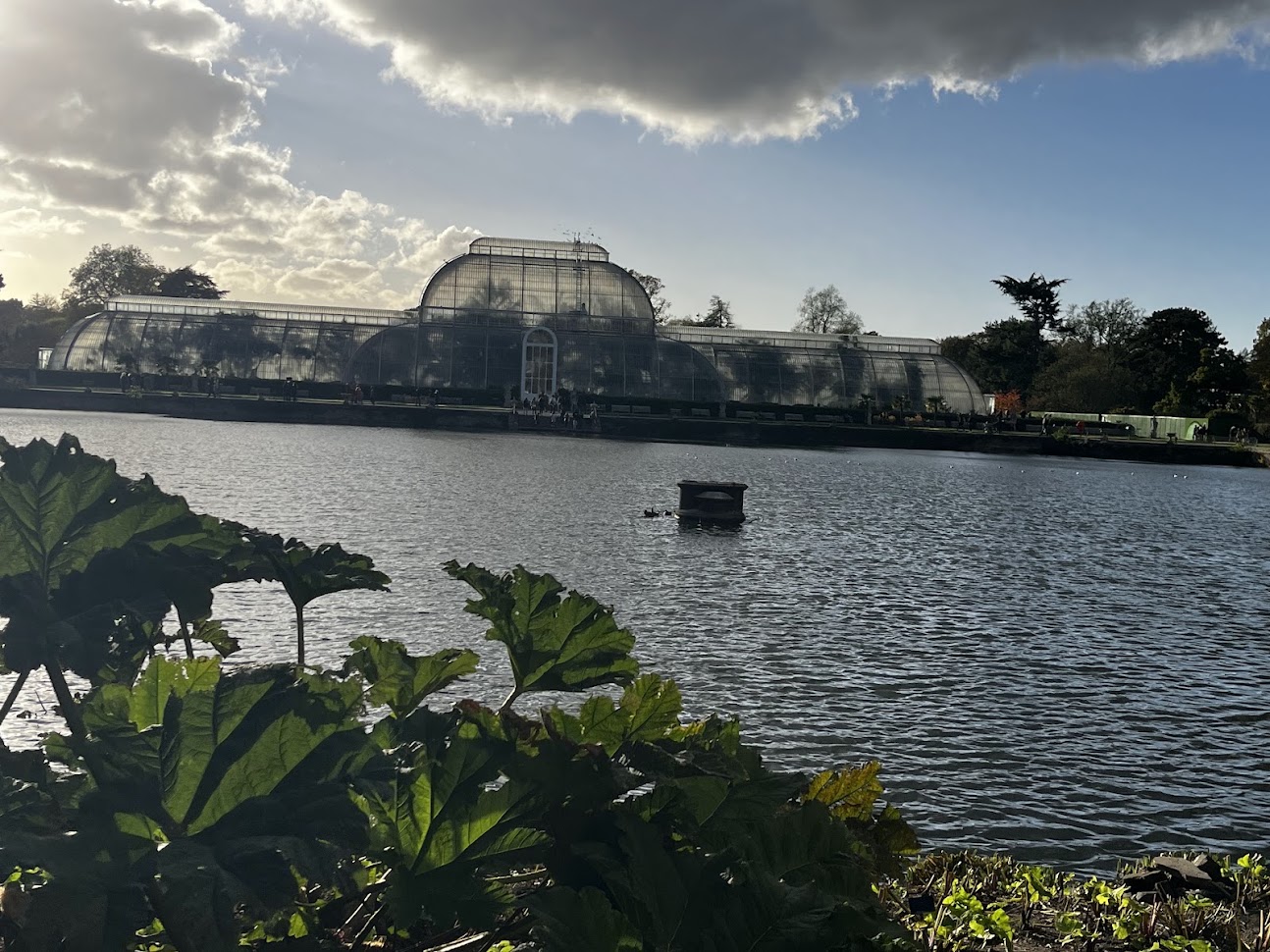
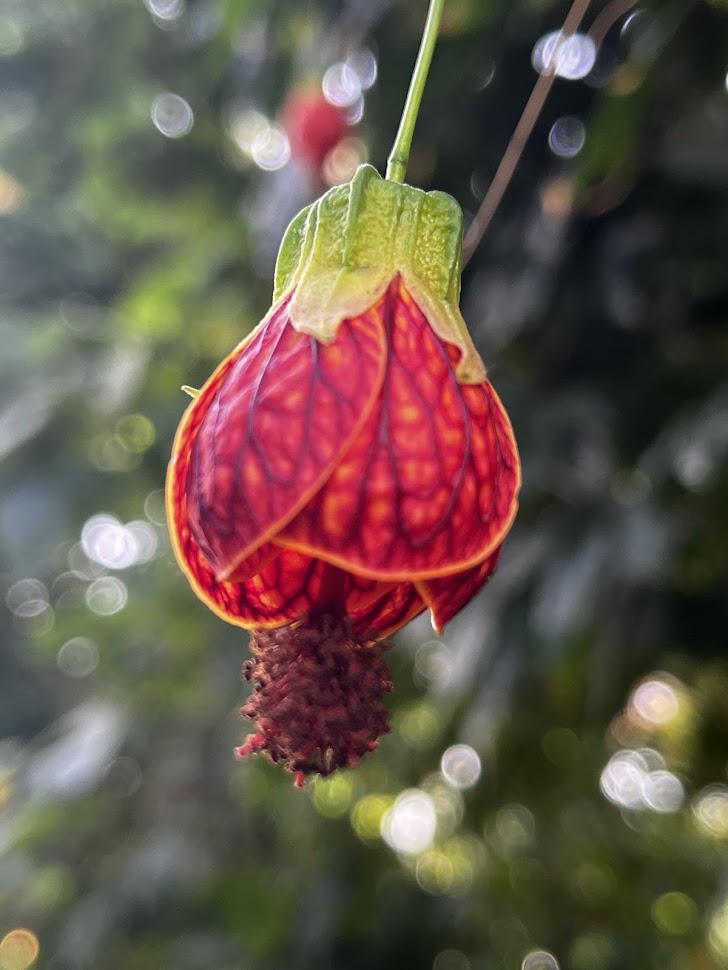
I was reminded of this during a visit to Kew Gardens in London last week. The gardens contain an extraordinary collection of endangered plants and trees from different parts of the world, many of them being carefully preserved and studied by dedicated scientists. I was particularly fascinated to learn that researchers are now using artificial intelligence to help identify and prioritise the species most at risk.
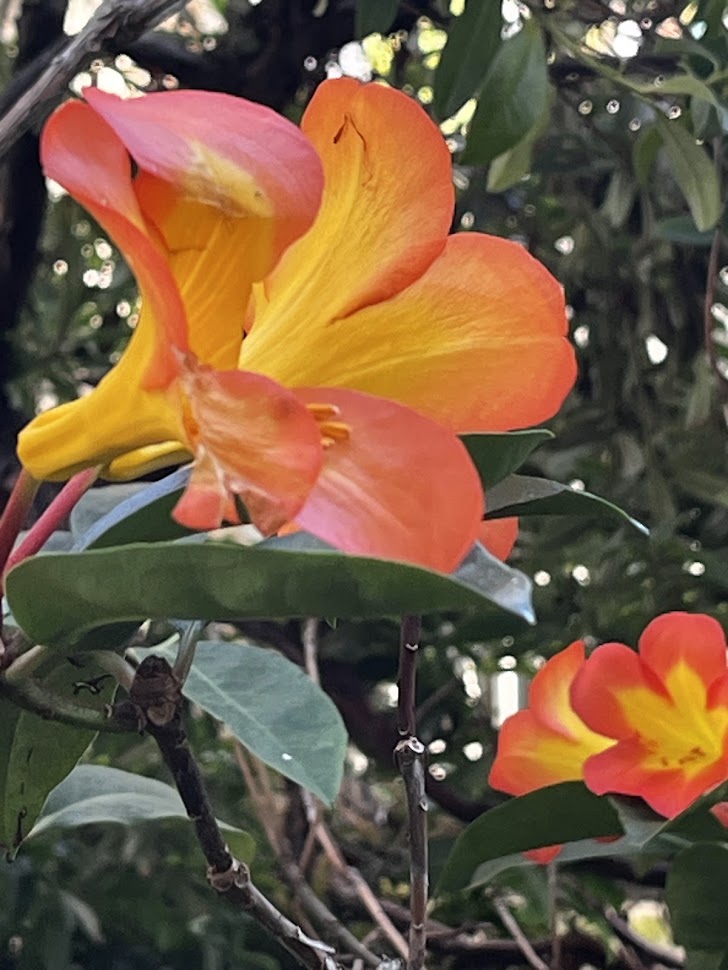
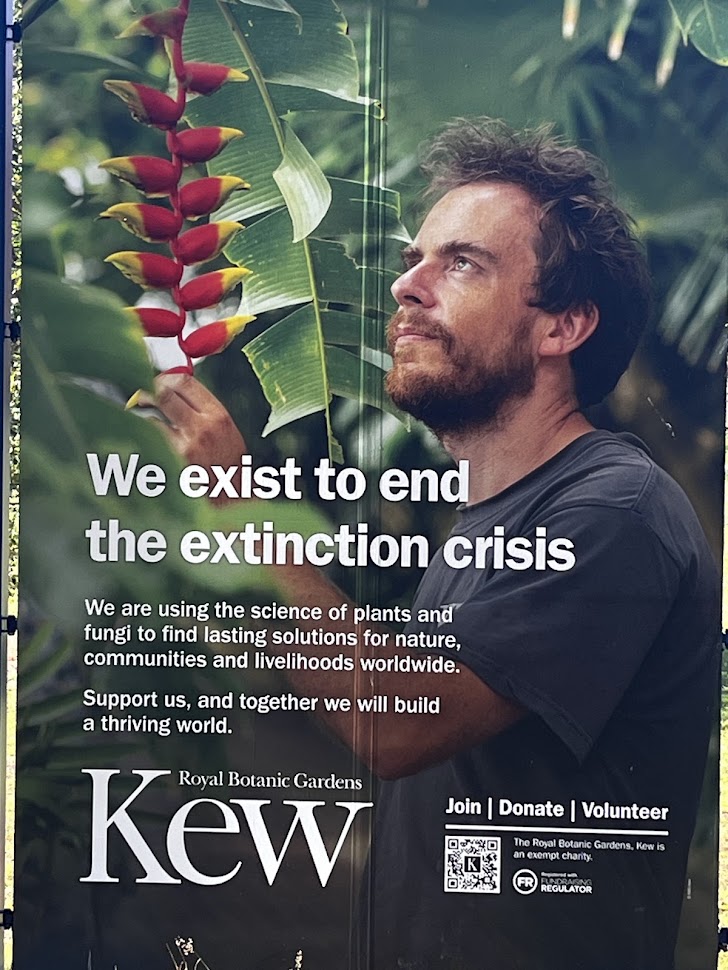
There is something deeply moving about this combination of ancient life, scientific knowledge and modern technology. It suggests that our relationship with nature need not be defined solely by exploitation and destruction. Human intelligence and ingenuity can also be placed in the service of protecting and sustaining life.
Perhaps the work at Kew Gardens points towards the kind of future Yeo envisages. One of the important lessons of ecological history is that ecosystems rarely return to precisely the state they were in before human intervention or environmental catastrophe. Once a habitat has been destroyed, the original combination of species and conditions may be impossible to recreate. But nature is remarkably resilient. It adapts, evolves and finds new ways of sustaining life.
This has important implications for how we approach environmental restoration. The challenge may not always be to recreate an idealised version of the past, but to help ecosystems adapt and flourish under changing conditions, including a warmer and increasingly unpredictable climate. History teaches us that insects, mammals and plants possess extraordinary capacities for adaptation, provided they are given the space and conditions to survive.
Perhaps the environmental movement has sometimes placed too much emphasis on apocalyptic scenarios and humanity’s role in destroying the natural world. The warnings are necessary, and the scale of the crisis should not be underestimated. But Yeo’s book also offers another perspective: human beings can be agents of restoration, not merely destruction.
We can become stewards of nature, using our knowledge, creativity and technological capabilities to protect biodiversity and help damaged ecosystems recover and transform.
Ultimately, I believe this requires more than scientific innovation, political will or changes in consumer behaviour. It calls for a shift in consciousness. We need to rediscover a sense of belonging to the natural world and recognise that its wellbeing is inseparable from our own.
Perhaps the most important lesson is also the simplest: we cannot truly care for what we perceive as separate from ourselves.
Rediscovering our spiritual connection with nature may therefore be as important to the future of our planet as the scientific and technological advances we bring to its protection.
Reino Gevers – Host of the LivingToBe podcast
P.S: If you enjoyed this article, you might be interested in reading one of my four books, available where all good books are sold.