Ancient trees possess a majestic, timeless beauty. Their weathered trunks seem to hold the stories of generations long gone. They have stood through changing seasons, witnessed the rise and fall of human fortunes, and endured storms, wars, and the passing of centuries. Long after the people who planted them have disappeared, these silent giants remain, rooted in the earth and reaching towards the sky.
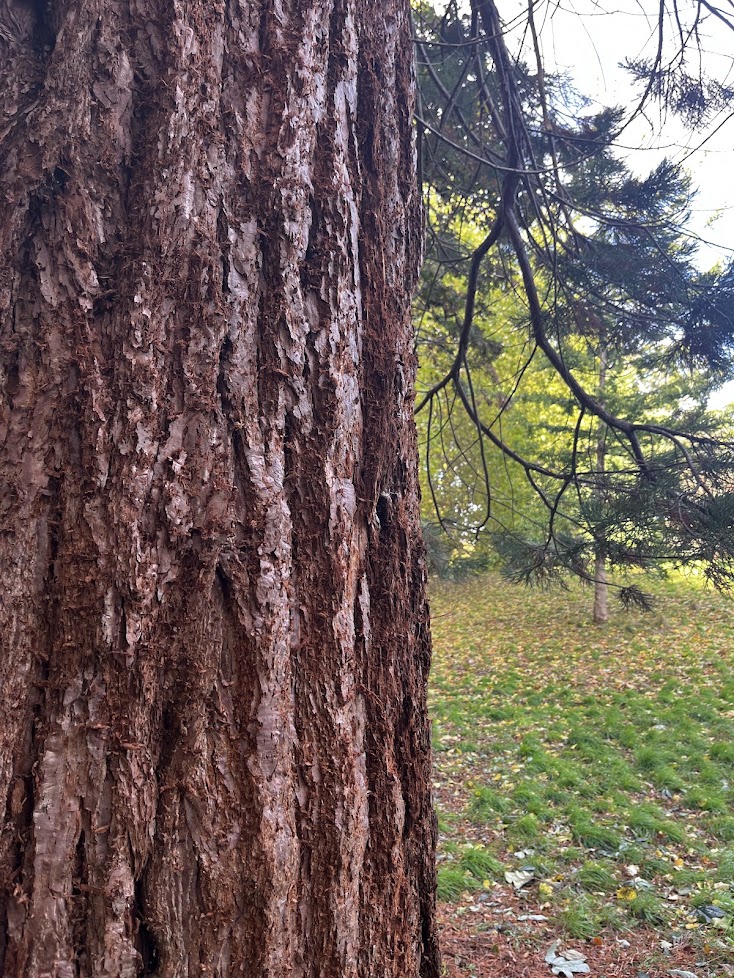
During a recent walk through the grounds of Kingston Lacy in Dorset, I found myself pondering these cathedrals of nature. Standing beneath their expansive canopies, I wondered what they might tell us if they could speak. What changes had they witnessed? What conversations, celebrations, and sorrows had unfolded in their shadow? How many generations had passed by, scarcely aware that these trees would outlive them all?
Perhaps their greatest wisdom lies in their silence.
The landscape at Kingston Lacy, in Dorset, United Kingdom, tells a story of changing ideas about wealth, beauty, and our relationship with the natural world. The estate’s avenues and parkland reflect the ambitions and tastes of successive generations of the Bankes family. In the nineteenth century, William John Bankes, an adventurer and landowner, helped transform the estate’s gardens and landscape. Among its notable features is Cedar Avenue, with trees grown from seeds brought back from Lebanon. These magnificent trees, now part of the estate’s historic character, are reminders of a time when exploration, wealth, and the desire to create something enduring found expression in the landscape itself.
As I stood beside these trees, I felt a profound sense of humility. Each began as a tiny seed, carrying the potential for a life far greater than its beginnings might suggest. With time, sunlight, water, and nourishment from the earth, it had grown into something magnificent. Its roots had reached deep into the soil while its branches stretched towards the heavens.
A tree does not grow in haste. It does not measure its progress against the achievements of others, nor does it seem troubled by the passing of time. It grows according to its own nature, season by season, year after year. Its strength lies not in resisting every change but in adapting to it. Branches break, leaves fall, and the trunk bears the scars of earlier storms. Yet life continues, finding new ways to grow around the wounds.
There is something deeply humbling about standing beside a tree that has lived through centuries of human history. It reminds us that our own lives, with all their ambitions, disappointments, and certainties, occupy only a brief moment in the larger unfolding of time. We tend to measure our lives in years and decades. Ancient trees invite us to think in centuries.
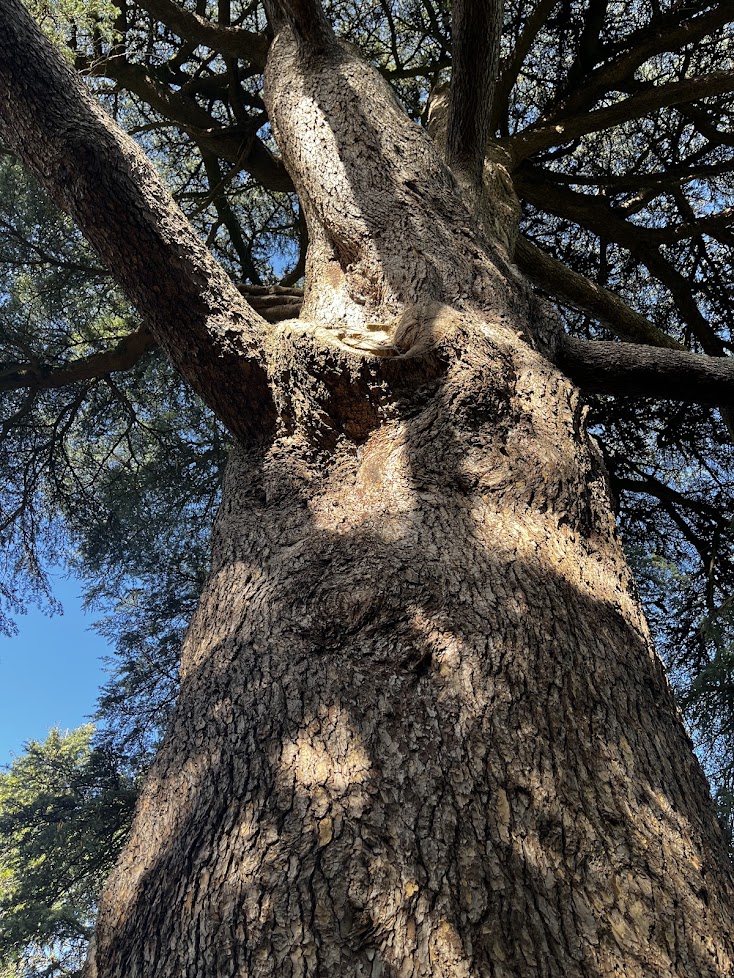
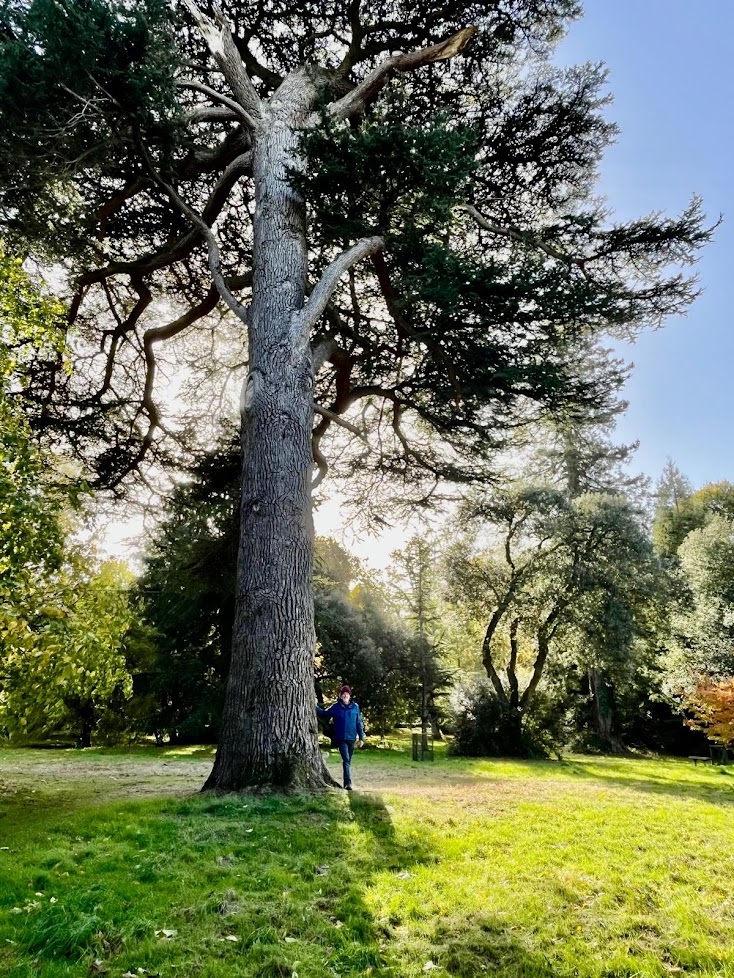
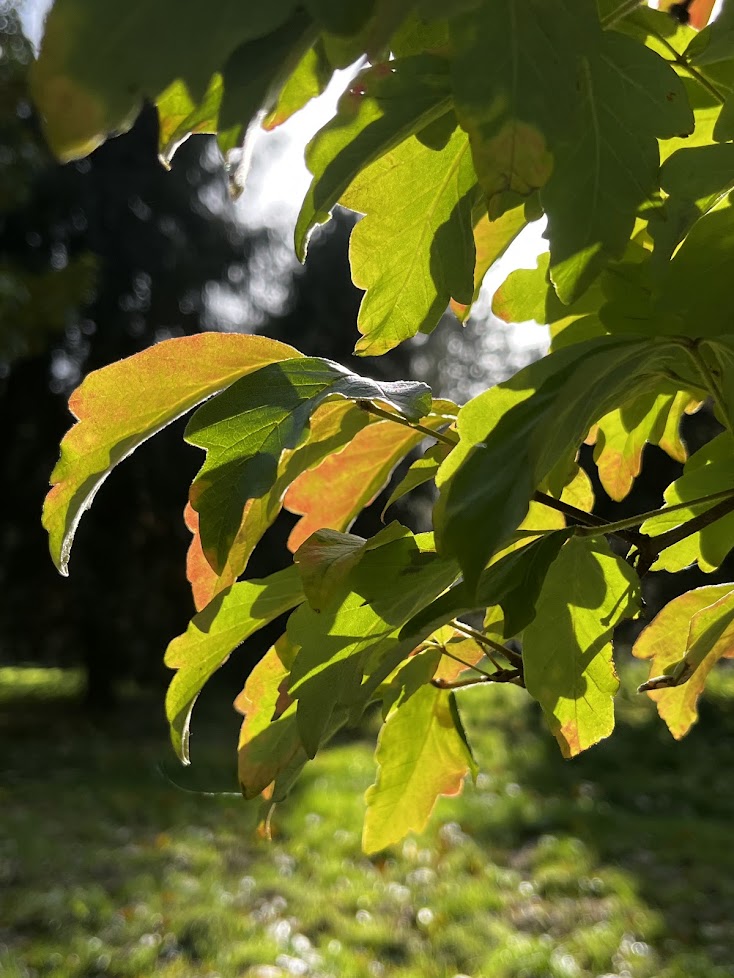
They also invite us to reconsider what it means to leave a legacy.
When I look at the great cathedrals and churches of medieval Europe, I wonder whether the architects and master builders drew inspiration from the trees that surrounded them. The soaring columns, branching arches, and vaulted ceilings of Gothic architecture evoke a forest, with stone pillars rising like trunks and ribs spreading overhead like branches. Sunlight filters through stained glass in much the same way that light finds its way through a canopy of leaves.
Perhaps the builders understood something we have largely forgotten: that the spaces we create can shape how we experience our place in the world. A cathedral was not simply a building. It was an expression of devotion, a gathering place for a community, and a monument intended to endure beyond the lives of those who constructed it. Generations of craftsmen contributed to structures they might never live to see completed, trusting that others would carry their work forward.
Today, we seem to have lost the long view.
Much of our modern world is shaped by speed, convenience, and the demand for immediate results. Buildings are often designed around short economic cycles, while public decisions are judged by their immediate political or financial returns. Politicians can be tempted to focus on the next election rather than the consequences of their choices for people who have not yet been born.
Of course, we cannot romanticize the past. Earlier generations also pursued power, exploited nature, and made decisions with devastating consequences. Nor is every modern building temporary or every political decision short-sighted. Yet there is a difference between creating something for immediate consumption and accepting responsibility for a world that will outlive us.
Ancient trees offer a challenge to this culture of immediacy. They embody a different understanding of time: one in which growth requires patience, resilience comes through adaptation, and what we do today may matter to people we will never meet.
Perhaps this is also a spiritual lesson.
For me, trees represent a meeting place between heaven and earth. Their roots reach into the darkness of the soil, drawing nourishment from a world hidden from our eyes. Their trunks rise through the space between earth and sky, while their branches reach towards the light. They hold these two worlds together without needing to explain the relationship between them.
There is something profoundly reassuring about this simple image. We, too, need roots and reach. We need a sense of belonging, a connection to the ground beneath our feet, and something beyond ourselves towards which we can grow. When either is missing, we may feel unmoored: caught up in our thoughts, disconnected from our bodies, or estranged from the natural world of which we are a part.
In a time when so many people experience spiritual disconnection, perhaps we do not always need another theory, another belief system or another explanation of life’s mysteries. Sometimes we need to step outside, slow down and pay attention to what has been here all along.
The next time you feel disconnected, try spending a few quiet minutes with a tree.
Find one that draws your attention. Stand beside it, or sit with your back resting gently against its trunk if that feels comfortable. Notice the texture of the bark against your skin. Feel the ground beneath your feet. Allow your breathing to settle into a natural rhythm.
As you inhale, imagine yourself opening to the sky above you, to the space and light beyond your immediate concerns. As you exhale, bring your attention downwards, towards the earth beneath you, towards the roots that anchor the tree and the ground that supports your own body.
There is no need to force an experience or expect anything extraordinary to happen. Simply remain present. Notice the movement of leaves, the sound of birds, the shifting light and the quiet rhythm of your breath. Let your attention move away from the endless stream of thoughts and return to the living world around you.
The tree will not ask you to believe anything. It will not judge your past or demand that you become someone else. It simply stands, rooted in the earth, reaching towards the light.
Although trees have no magical power to heal every wound, time spent among them can offer a genuine sense of calm, perspective and connection. Sometimes the change is subtle: a little less tension in the body, a little more space in the mind, a renewed awareness that we belong to something larger than ourselves.
Perhaps this is what I was searching for as I walked through Kingston Lacy. Not an answer to a question, but a reminder of something easy to forget: that life unfolds on a scale far greater than our individual concerns, and that we are not separate from the natural world but part of it.
Long after we have gone, the trees will continue their work. They will gather sunlight, draw water from the earth, shelter birds and insects, and offer their branches to the changing seasons. They will bear the marks of time without needing to understand time itself.
We do not have to live for centuries to learn from those who do. We only need to pause long enough to listen.
Reino Gevers – Host of the LivingToBe podcast
P.S: If you enjoyed this article, you might be interested in reading one of my four books, available where all good books are sold.